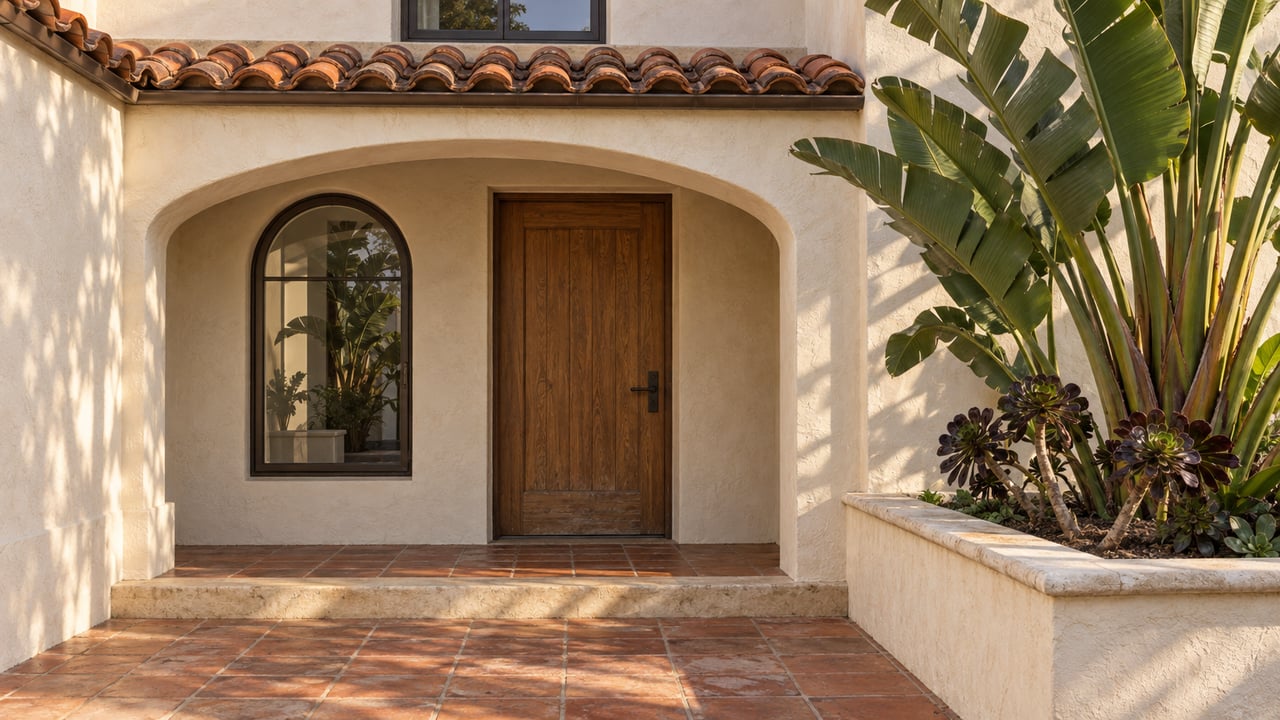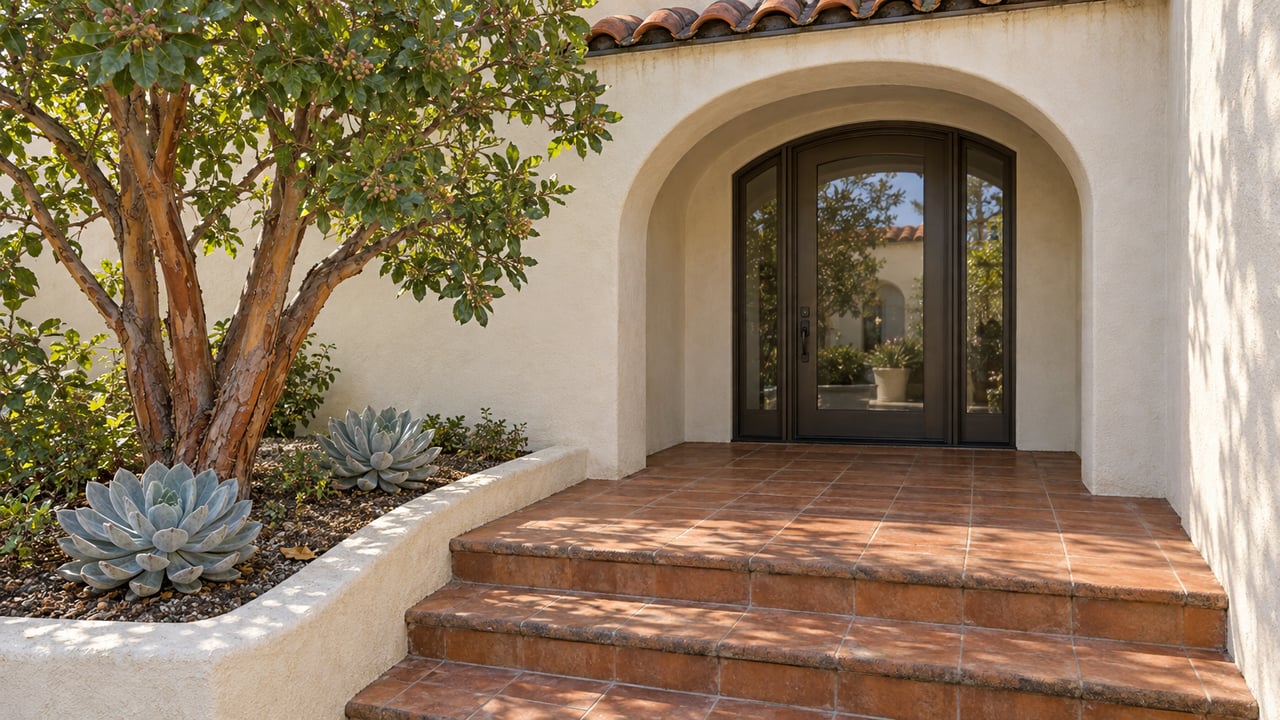
Two homes on the same street in lower Newport Bay can look identical from the sidewalk. Same era, same square footage, same slice of harbor view. Then the price sheets arrive and one is priced seven figures above the other. The gap almost never lives in the kitchen finishes or the roofline. It lives in the water behind the house, in paperwork that never makes it into the listing photos.
That gap is the reason to understand how Newport Harbor property actually works before you write an offer, not after your lender pulls the title report and asks a question nobody prepped you for.
The Dock in the Photo Isn't Deeded to the House
Most buyers assume a private dock works like a pool: built by a past owner, deeded with the lot, yours the moment escrow closes. In Newport Harbor, that assumption is usually wrong. The land under the water, from the bulkhead out to open channel, is tidelands. California holds tidelands in public trust, and a 1978 grant known as the Beacon Bay Bill put the City of Newport Beach in charge of managing most of that trust land on the state's behalf.
For a bayfront buyer, that means the house and the upland lot are commonly owned outright, but the dock sits on a permit rather than a deed. The City's Harbor Department issues residential pier permits that grant a homeowner the right to use a defined footprint of public water. Newport Harbor holds more than 9,000 recreational vessels across roughly three miles of waterfront, and the City administers more than 850 of these residential pier permits on that same public trust land. You inherit the right to use your slice of it. You never owned it, and neither did the seller.
That distinction sounds technical until it touches financing or resale. A house you hold in fee simple and a permit you hold at the City's discretion are different assets to a lender, and title companies flag them differently on the preliminary report.
Beacon Bay and Lido Peninsula Add a Second Layer
Pier permits are only half of the story. In a handful of Newport Harbor communities, the ground under the house itself is also leased rather than owned.
Beacon Bay, tucked off Harbor Island Drive between Promontory Bay and Balboa Island, is the clearest example. Every home there sits on land leased from the City for a 50-year term, according to the California State Lands Commission. The annual lease payment runs alongside property taxes of roughly 1.3 percent. A Beacon Bay buyer should plan on lease and property-tax carrying costs before a mortgage payment, insurance, or maintenance enters the picture.
Lido Peninsula runs on a similar land-lease model with its own monthly space-rent schedule. Balboa Island and Linda Isle, by contrast, are typically fee simple on the land itself, with the pier-permit layer described above governing the dock alone. Harbor Island and the Balboa Bay Club sit under their own historic tideland exceptions, separate from both the Beacon Bay leasehold model and the standard fee-simple pattern. Title behaves differently in each of these pockets, and a listing sheet rarely spells out which set of rules applies to the address in front of you.
| Beacon Bay (leasehold land) | Balboa Island / Linda Isle (fee simple) | Harbor Island / Balboa Bay Club (historic exception) | |
|---|---|---|---|
| Land ownership | Leased from City, 50-year term | Owned outright | Governed by separate legislative grant |
| Dock or pier | Permitted over City tidelands | Permitted over City tidelands | Permitted, terms vary by grant |
| Annual land cost | Lease payment | Property tax only | Case by case, title review required |
| Resale consideration | Remaining lease term drives value | Pier permit transferability drives value | Historic grant terms drive value |
The State Just Told the City Its Dock Rents Are Too Low
Here is the part of this story that has nothing to do with history and everything to do with the next two years.
In December 2025, the California State Lands Commission issued a report on how Newport Beach manages the public trust land inside its harbor. The finding that matters to anyone buying or selling a bayfront home: the Commission concluded the City is not charging fair market rent on residential pier permits, and it directed Newport Beach to commission new independent appraisals, reconsider how permitted pier area is measured, including whether the interiors of U-shaped piers and buffer areas should count, and stop the practice of selling private mooring permits outright.
The City's published response lays out a multi-year timeline. New independent appraisals begin in 2026. Harbor Commission meetings addressing those appraisals, transferability, and phasing run into the winter of 2027. A draft policy package is expected that same winter, with a full City Council vote to follow in 2027.
None of this has changed a single homeowner's bill yet. It does mean that anyone closing on a Newport Harbor pier permit this year is buying into a rate structure under active state review, and the Commission's own finding points toward higher rents once the process concludes, not lower ones.
What This Means If You're Closing This Year
If you are under contract on a bayfront home, or about to write an offer on one, three documents matter more than the listing photos.
The pier permit itself, which spells out the permitted footprint, the term, and whether it transfers automatically to a new owner or requires a fresh application to the Harbor Department. The land lease, if the property sits in Beacon Bay, Lido Peninsula, or another leasehold community, which spells out the remaining term and the rent-escalation formula. And the preliminary title report, which will carry exceptions tied to tidelands and public trust reservations that a standard inland purchase never sees.
Lenders read these documents closely. A common underwriting standard requires the remaining lease term to outlast the loan term, so a lease with twenty years left can quietly rule out a thirty-year mortgage. Government-backed loan programs carry their own leasehold restrictions on top of that. None of this shows up on a comparative market analysis. It shows up in a loan denial three weeks before a scheduled closing, which is where most buyers first learn their bayfront purchase runs on a different clock than the house next door.
An ALTA survey showing the bulkhead line, the pierhead line, and the harbor line is worth the cost on any bayfront purchase. A 40-foot gap between bulkhead and pierhead and a 75-foot gap are not comparable assets, even sitting under identical rooflines on the same block.
Two Homes, One Street, One Signature
Go back to the two houses that opened this piece. The seven-figure gap between them is rarely about square footage. It is about which one comes with a long-term, transferable pier permit sitting on unencumbered fee-simple land, and which one comes with a shorter remaining lease, a smaller permitted footprint, or a permit that requires a fresh City application before the new owner can legally use the dock shown in the brochure.
Reading that gap correctly before an offer goes in is the difference between paying for a lifestyle and paying for a liability with a nice view.
Frequently Asked Questions
Can I get a conventional mortgage on a Beacon Bay home? Lenders will underwrite a leasehold purchase, but they scrutinize the remaining lease term closely and typically require it to outlast the loan term. Government-backed loan programs apply their own leasehold rules, which can narrow financing options further as the remaining lease shortens.
Does a pier permit automatically transfer when I buy a bayfront home? Not always. Some permits transfer with the sale. Others require the new owner to apply to the Harbor Department directly. This is exactly the kind of detail a title review and a direct call to the Harbor Department should confirm before contingencies come off.
Will my dock permit fee go up because of the State Lands Commission review? The review is still moving through appraisals and Harbor Commission meetings, with a City Council vote expected in 2027. Rates have not changed yet, but the Commission's own finding was that current residential pier rents sit below fair market value, which points toward an increase once the process concludes.
If you are evaluating a Newport Harbor property and want a clear read on what the dock, the lease, or the permit actually convey before you write an offer, Astoria Luxury Estates is ready to walk the paperwork with you. Reach Out Today.
This article is general information, not legal, tax or financial advice. Consult a qualified professional about your situation.