If you are searching for a waterfront home in Newport Beach, one detail can change everything: bayfront does not mean oceanfront. In Newport Beach, bayfront living revolves around Newport Harbor and Newport Bay, where boating, walkability, dock access, and daily harbor activity shape the experience. If you want to understand what sets these homes apart, which areas deserve your attention, and what due diligence matters most before you buy, this guide will help you narrow your focus. Let’s dive in.
Bayfront Living in Newport Beach
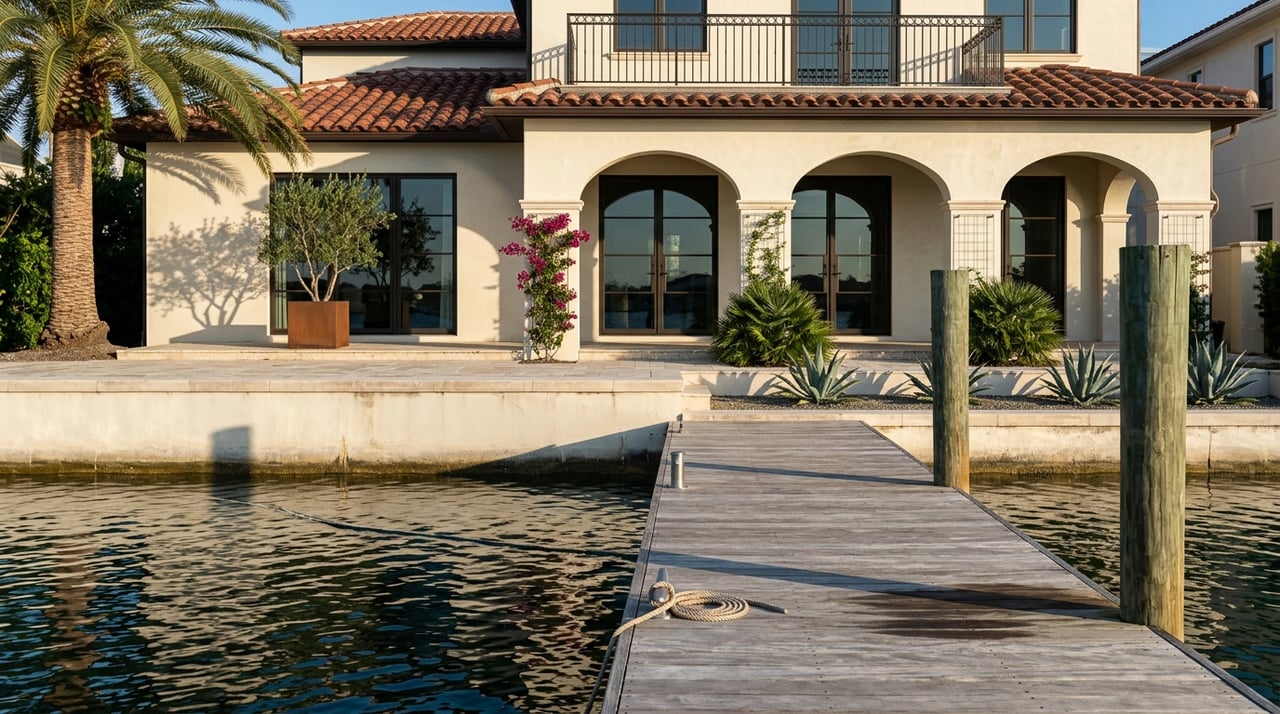
Newport Beach bayfront homes are tied more closely to the harbor than to the open Pacific. That means your day-to-day lifestyle is often defined by calmer water, boating access, ferries, guest slips, and shoreline activity rather than surf and sand.
The city’s Harbor and Bay planning framework also treats the waterfront as a shared environment. Residential use exists alongside public access, water-dependent commercial uses, moorings, guest slips, and permitted piers. For you as a buyer, that means bayfront ownership is as much about understanding the harbor setting as it is about the home itself.
Key Bayfront Areas to Know
The most relevant bayfront submarkets for many buyers are Balboa Island, Lido Isle, and the Balboa Peninsula and Peninsula Point area. Each offers a different mix of architecture, access, privacy, and water orientation.
Balboa Island
Balboa Island includes Balboa Island, Little Balboa Island, and Collins Island. The area is known for Marine Avenue, a perimeter walking path, and a social, village-like setting that feels highly connected to the harbor.
The city notes that the Balboa Island Loop is about 1.70 miles and offers harbor views, but parking can be difficult because street parking is limited. If you value walkability and close proximity to local activity, Balboa Island stands out. If you want easy car access and less foot traffic, it may feel more active than expected.
Architecturally, Balboa Island often blends nostalgic coastal character with highly customized finishes. The city’s cottage preservation context helps explain why smaller traditional forms remain part of the area’s identity, even as many homes have been updated or rebuilt.
Lido Isle
Lido Isle has a different feel. It sits just over the bridge from Lido Marina Village and tends to come across as more polished, curated, and design-forward.
From a harbor perspective, there are practical details to understand. The main channel runs past the island, and the Harbor Department notes that depth along Lido Isle can be as little as 9 feet, with boats drawing more than 6 feet needing to pay attention to the tide. If boating is central to your lifestyle, this becomes a meaningful part of your home search.
Lido Isle also tends to show a mix of restored original homes and contemporary custom rebuilds. For design-conscious buyers, that balance of waterfront setting and architecture-led presentation can be especially appealing.
Peninsula Point
Peninsula Point sits at the south end of the Balboa Peninsula. The city generally identifies the neighborhood as bounded by G Street, Balboa Boulevard, Channel Road, and Ocean Boulevard.
This area offers a different kind of waterfront experience. Because it sits within the broader peninsula environment, you should expect more exposure to beach traffic, harbor movement, and the realities of a low-elevation coastal setting than you would in more inland parts of Newport Beach.
If you want a location tied closely to both bay and beach life, Peninsula Point can be compelling. If privacy and a more tucked-away atmosphere are your top priorities, it is worth looking carefully at block-by-block conditions.
What Matters Most When Buying
A beautiful bayfront address is only part of the story. In Newport Beach, the details behind dock rights, harbor traffic, public access, and flood exposure can have a major effect on value and day-to-day use.
Dock Rights Are Not Automatic
One of the most common assumptions buyers make is that every bayfront home comes with the same dock potential. That is not the case.
The city’s harbor permit rules make clear that dock and pier rights are permit-based and tied to the abutting upland property. In many residential areas, only one pier and slip are allowed per lot, residential piers must be set back five feet, and private piers are not allowed at street ends.
Balboa Island has an added layer of restriction. The city generally prohibits new non-commercial piers there unless approval is granted under its public-interest standard. If a dock is important to you, permit history and lot-specific review should be part of your early diligence, not something left for later.
Harbor Activity Is Part of the Lifestyle
Newport Harbor is one of the country’s largest recreational harbors, and the city manages it as an active working waterfront. Daily harbor patrols, mooring fields, anchorages, guest slips, ferries, and marina operations all contribute to the rhythm of bayfront living.
The visiting-vessels guidance adds more context. The center channel is about 20 feet deep, the outside channel about 8 feet, and the Balboa Auto Ferry is a regular part of harbor traffic flow. The city also announced dredging work in 2025 to maintain access-channel depth.
For you, this means bayfront life usually feels lively rather than secluded. Even when the water looks calm, the harbor itself remains active.
Public Access Can Affect Privacy
Bayfront homes often deliver excellent walkability and close access to restaurants, ferries, and shoreline paths. At the same time, public access is a real part of the waterfront environment in Newport Beach.
The city’s general plan encourages public access to the shoreline, bay, coastal parks, beaches, and trails. On Balboa Island in particular, the perimeter route and limited parking can contribute to a busier street presence during peak periods.
That does not make bayfront ownership less appealing. It simply means that privacy, convenience, and pedestrian activity are often part of the same package. As you compare homes, pay attention to how each property sits relative to walkways, public-facing edges, and harbor circulation.
Flood and Elevation Review Are Essential
The city identifies West Newport, the Balboa Peninsula, and Newport Bay as low-elevation areas. Its flood information also states that flood-hazard areas are subject to periodic inundation.
For buyers, flood review is not a niche concern. It is a standard part of smart due diligence. Elevation certificates, flood maps, insurance considerations, and site-specific exposure should all be reviewed early in the process.
This matters not only for risk awareness, but also for budgeting. Beyond the purchase price, you may need to account for flood-related insurance, elevation verification, and ongoing waterfront maintenance items.
Bayfront Design and Architecture
In Newport Beach, waterfront value is shaped by more than location. Architecture, lot layout, condition, and how a home engages the harbor can all influence appeal and long-term desirability.
Balboa Island and the Balboa Peninsula are the city’s most cottage-oriented waterfront areas. The city describes cottages as smaller homes tied to traditional development patterns, often with one-story massing and a smaller second story above rear parking. That legacy gives many bayfront streets a layered feel, where classic forms sit alongside more updated homes.
Lido Isle tends to read differently. The local housing mix there often emphasizes restored originals, modernist influence, and custom rebuilds with a more edited visual character. If you are comparing neighborhoods through a design lens, this distinction can be just as important as the water frontage itself.
For many luxury buyers, this is where a more architecture-led approach becomes valuable. Looking past square footage and frontage alone can help you identify whether a home offers design integrity, renovation upside, or a stronger fit for the way you want to live.
Bayfront vs Oceanfront in Newport Beach
Many buyers begin with a simple question: is bayfront or oceanfront better? In Newport Beach, the answer usually comes down to lifestyle, property characteristics, and the specific block.
Public listing examples show that both bayfront and oceanfront homes command premium pricing. The gap is not always straightforward, because lot width, dock setup, condition, privacy, and view corridor can matter as much as whether the home faces the bay or the ocean.
Lifestyle differences are often easier to define. Oceanfront on the Balboa Peninsula usually means surf, sand, boardwalk energy, and more public-facing activity. Bayfront usually means calmer water, boating access, and more time spent at the harbor edge.
Neither is automatically better. The better choice is the one that matches how you actually want to spend your time at home.
A Smart Way to Evaluate Bayfront Homes
When you tour Newport Beach bayfront properties, it helps to evaluate each one through both a lifestyle lens and a due-diligence lens. A home can be visually stunning and still require closer review on practical issues that affect ownership.
Here is a simple checklist to guide your search:
- Confirm whether an existing dock, pier, or slip is permitted and transferable with the property
- Review lot-specific limitations, especially if you hope to modify or add waterfront improvements
- Ask about flood-zone status, elevation documentation, and current insurance context
- Observe traffic patterns on foot and by water at different times of day
- Compare the home’s privacy, walkability, and proximity to ferries, marinas, and public paths
- Assess architectural quality, condition, and renovation potential beyond surface finishes
That kind of review can help you make a more confident decision, especially in a market where lifestyle value and technical detail are closely linked.
If you are weighing a bayfront purchase in Newport Beach, working with an advisor who understands both coastal design and property-specific diligence can make the process more efficient. For a tailored, concierge-level conversation about Newport Beach waterfront opportunities, connect with Justin Kuo.
FAQs
What makes Newport Beach bayfront homes different from oceanfront homes?
- Newport Beach bayfront homes are centered on Newport Harbor and Newport Bay, so they typically offer calmer water, boating access, dock considerations, and active harbor surroundings rather than direct surf-and-sand living.
Which Newport Beach areas are best known for bayfront homes?
- The main bayfront areas many buyers focus on are Balboa Island, Lido Isle, and the Balboa Peninsula and Peninsula Point area, each with a different mix of walkability, architecture, and harbor exposure.
Can every Newport Beach bayfront home have a dock?
- No. Dock and pier rights are permit-based, lot-specific, and subject to city rules, with additional limits in places such as Balboa Island.
Are Newport Beach bayfront homes private and quiet?
- They can feel calmer than some oceanfront locations, but not necessarily quiet overall because harbor traffic, ferries, shoreline access, and pedestrian activity are often part of the setting.
What should buyers review before purchasing a Newport Beach bayfront home?
- Key items include dock or pier permit history, flood-zone and elevation review, insurance considerations, maintenance needs, and how the home’s location relates to public access and harbor activity.