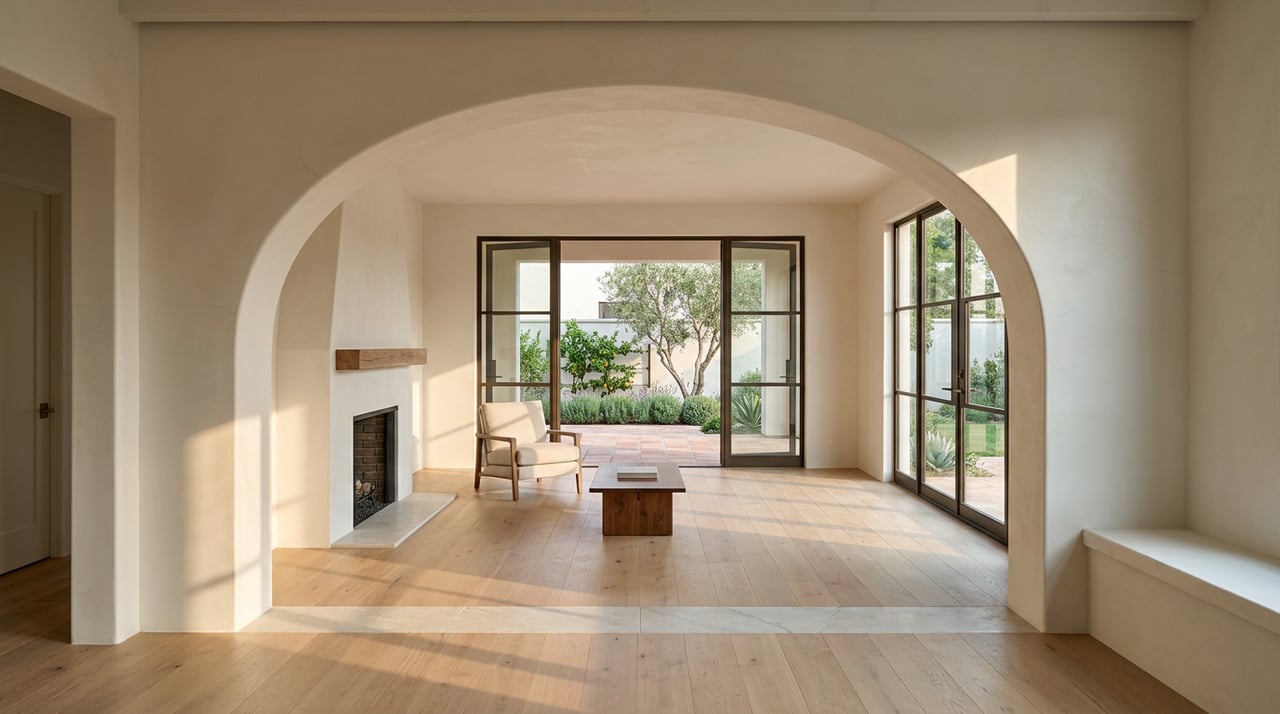
If you are drawn to Palos Verdes Estates for its ocean vistas and timeless character, you already understand that architecture here is more than style. It is how a home sits on its slope, frames a view, and moves you from entry to terrace with ease. Yet not every pretty façade holds long-term value. In this guide, you will learn how to read architectural quality in PVE, how that translates into market appeal, and what due diligence protects your investment. Let’s dive in.
Why architectural value matters in PVE
Palos Verdes Estates was planned in the 1910s and 1920s with an Olmsted Brothers landscape vision that favored curving roads, open-space corridors, and view-forward siting. That planning legacy still shapes what feels right on each lot and why some homes command premiums. The Palos Verdes Homes Association (PVHA) and its Art Jury maintain that character by reviewing exterior changes before most permits can proceed. Understanding this design-first history and private review system helps you judge quality and plan renovations wisely.
Learn more about the city’s design roots on the Olmsted Brothers’ page for PVE and the PVHA’s role in architectural oversight:
- Read about the Olmsted planning legacy for Palos Verdes Estates at the Olmsted site: Olmsted Brothers and PVE.
- See how the PVHA and Art Jury guide design reviews: PVHA and Art Jury.
Siting, topography, and view strategy
In PVE, how a home meets the land is the first test of value.
- Favor terraces and stepped massing that work with the slope rather than against it. This often preserves grade and improves privacy.
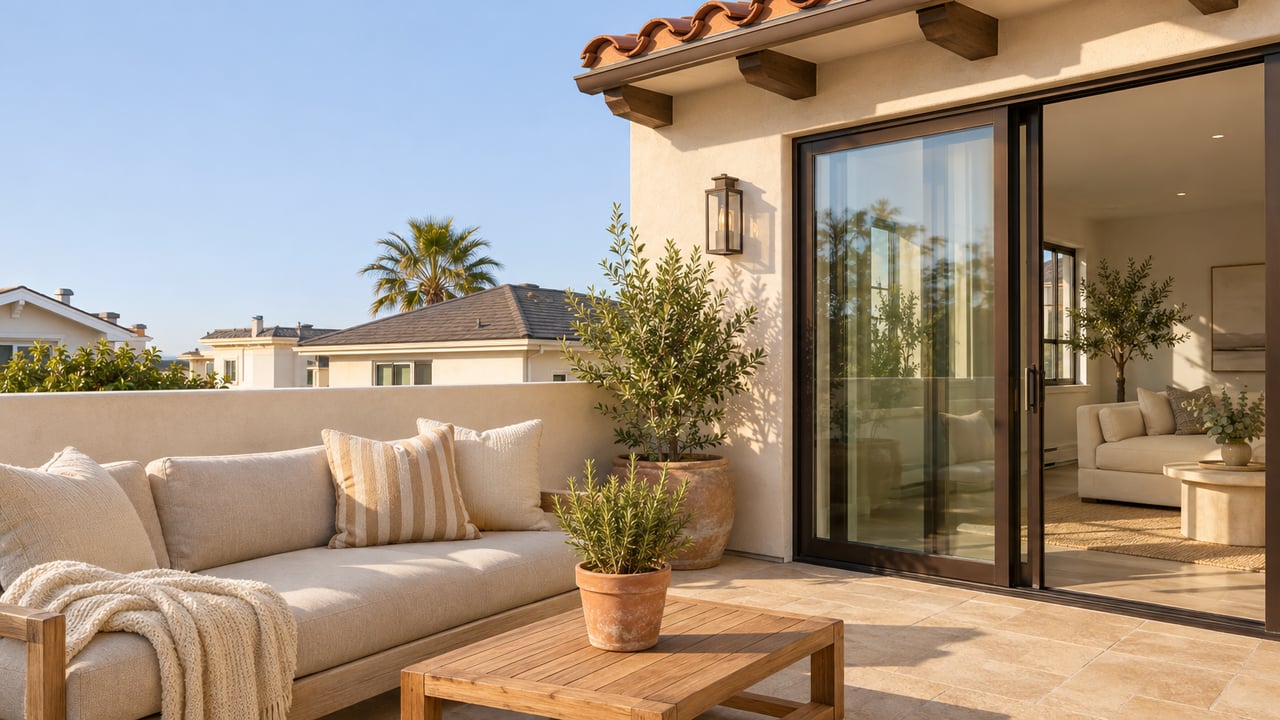
- Look for protected view corridors and well-placed decks that extend living outdoors. An unobstructed ocean or harbor outlook usually outperforms a general “ocean-facing” label.
- Check hillside conditions with care. On bluff-top or steep parcels, the City’s single-family development guidelines trigger soils and geology reports and can limit additions or grading. Review these rules early to understand what is feasible. See the City’s current guidance here: Single-Family Residential Development Guidelines.
Floor plan flow and spatial hierarchy
A plan that feels natural earns both joy and resale appeal.
- Aim for a clear arrival sequence from entry to main living areas.
- Prioritize open adjacency between kitchen, dining, and family spaces, especially where these rooms capture the best views and daylight.
- Value mid-century homes that preserve original intentions like open sightlines, clerestory light, and indoor–outdoor transitions. If a layout feels chopped up, note whether non-structural walls could be removed without major structural or PVHA hurdles.
Light, orientation, and glare control
Daylight sells. Large, well-placed windows, clerestories, and shading solutions that manage glare without blocking views tend to photograph better and feel more comfortable throughout the day. When touring, notice how morning and afternoon light moves through living spaces. If interiors look dark at peak hours, plan for glazing, skylights, or selective wall changes that improve light without compromising the home’s character.
Materials, detailing, and workmanship
PVE’s best homes show durable materials and careful detailing.
- Seek thick, well-finished stucco, traditionally detailed clay tile roofs, native stone work, and solid-wood millwork.
- Watch for patchwork repairs that do not match original textures or colors. Incompatible stucco coatings can trap moisture and signal deeper issues.
- When in doubt, compare repairs against the National Park Service’s standard on historic stucco to gauge quality and compatibility: NPS Preservation Brief 22 on Stucco.
Structure, systems, and seismic safety
Behind the walls, integrity matters just as much.
- Confirm foundation condition, roof type and age, and evidence of movement, especially on hillside or bluff-edge homes.
- Check electrical service capacity and grounding, and note plumbing materials. Upgrades from older galvanized to copper or PEX can reduce future costs.
- Order a home inspection to national standards and add specialists as needed for roofing, electrical, or plumbing. See a reference for inspection standards here: InterNACHI Home Inspection Standards.
- For older structures or those with new second stories or unusual spans, a structural engineer can advise on seismic resilience. The California Earthquake Authority provides homeowner guidance on retrofit strategies: CEA Earthquake Retrofit Guidance.
Landscape, circulation, and curb appeal
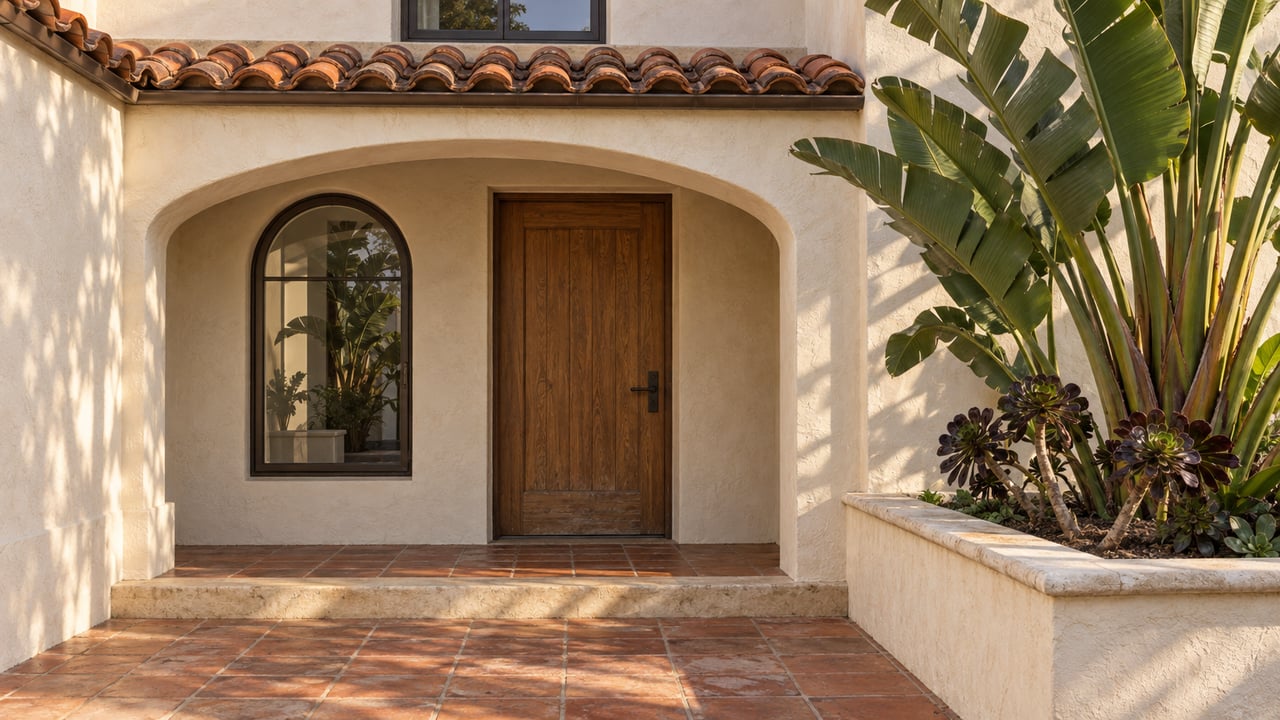
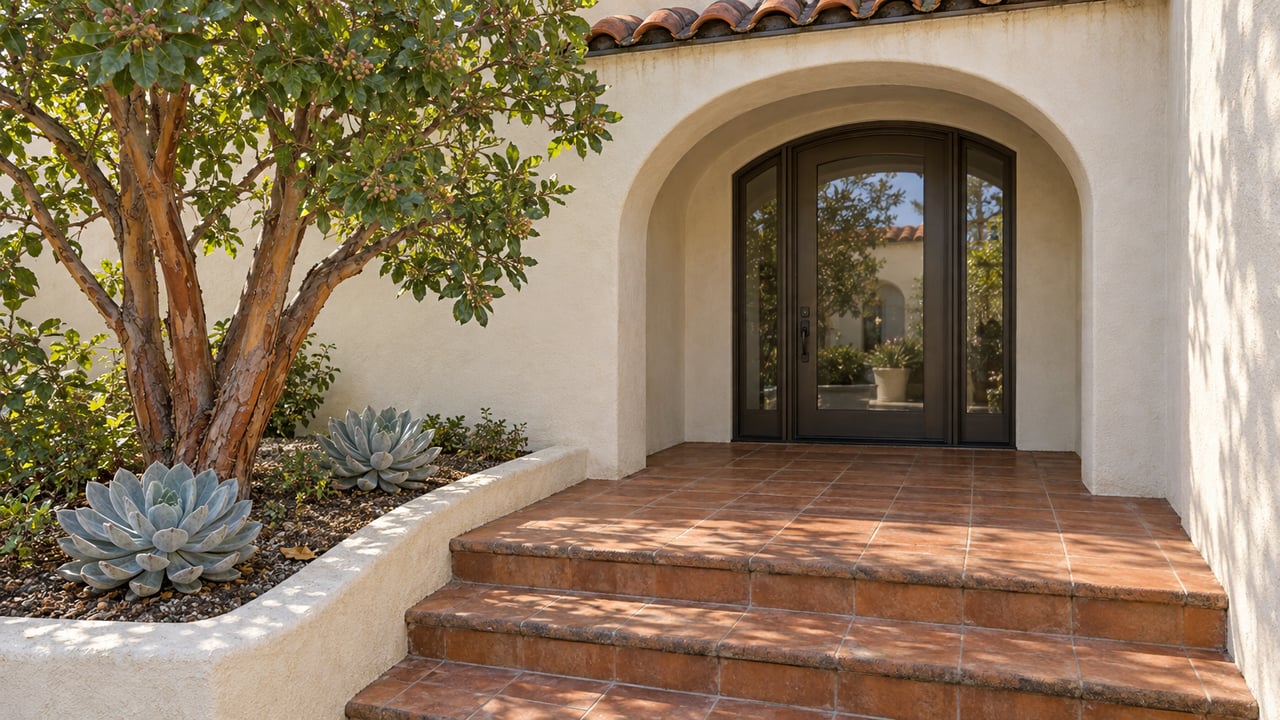
In PVE, the landscape is part of the architecture. Driveway placement, entry courts, stair and terrace transitions, and low-water native plantings create a sense of arrival and expand usable living area outdoors. Thoughtful hardscape can deliver practical benefits, such as better drainage and safer access, while also aligning with PVHA expectations.
How features translate to market value
Value in Palos Verdes Estates is both art and data.
- Views drive premiums. Academic and appraisal research shows that water views, especially unobstructed panoramas, deliver measurable price uplifts. The size of the premium depends on view quality and scarcity. For a primer on how view quality affects value, see this research overview: Value of a Water View.
- Quality and authenticity matter. Buyers in high-end markets often pay more for kitchens and baths executed with care and aligned to a home’s architectural language. The latest Remodeling Impact Report highlights buyer interest in kitchen upgrades, roof replacements, and bath refreshes, with ROI shaped by finish quality and scope: NAR Remodeling Impact Report.
- Compliance protects value. Unpermitted work or unresolved code issues can slow closings and reduce offers. In California, sellers must disclose known issues and additions on the Transfer Disclosure Statement. Knowing the permit history and PVHA file can prevent surprises: California DRE — Disclosures.
Due diligence steps before you write the offer
A little front-loaded homework saves time and money.
Confirm PVHA and Art Jury records. Many exterior changes require PVHA review, and stamped working drawings can reveal what was approved. Start with the association’s process to understand timing and submittals: PVHA Review and Approval Process.
Pull the City permit history and note any open items. Then check the City’s residential development guidelines for floor-area, lot-coverage, and soils report triggers to see what future changes are feasible: PVE Single-Family Guidelines.
Order a home inspection and add specialists. Use a core inspection standard and then bring in a roofer, electrician, or plumber as flagged in the report: InterNACHI Standards.
Evaluate geotechnical needs for bluff-top or steep lots. If the seller lacks a recent soils or geology report, budget for your own early in escrow. The City’s guidelines explain when these are required for permitting.
Assess seismic retrofit needs with a structural engineer. For older homes or large additions, review retrofit options and cost ranges. California homeowners can learn program basics here: CEA retrofit guidance.
Review disclosures carefully. Look for notes on drainage, retaining walls, past repairs, roof and system ages, and any unpermitted work. Reference the state’s disclosure framework here: California DRE — Disclosures.
Value-add strategies that work in PVE
You do not need to gut a house to lift value here. Focus on precise, architecture-led improvements.
- Preserve and restore signature elements like original clay tile roofs, stone terraces, and mid-century glazing. Buyers reward authenticity and craft. Use preservation guidance to match materials and finishes where possible: NPS Stucco Brief.
- Reconfigure non-structural walls to improve flow, sightlines, and daylight. Keep interventions visually light and consistent with the home’s era.
- Invest in core systems and roofing before cosmetic updates. Buyers respond to roofs in good condition, safe electrical service, and sound plumbing. For demand signals and expectations, see the NAR Remodeling Impact Report.
- Upgrade outdoor living areas. Entries, terraces, and native landscaping can elevate curb experience and usable square footage. Coordinate early with PVHA on visible changes.
Common red flags that affect price
Spotting these early helps you negotiate or move on confidently.
- Unpermitted additions or conversions that will require major correction. These are material facts in California and can complicate closings. Review the disclosure framework: California DRE — Disclosures.
- Drainage that pushes water toward the foundation or evidence of active slope movement. Recent makeshift retaining walls without engineering are a concern.
- Mismatched stucco or coatings that do not breathe, which can trap moisture and hide cracks. Compare workmanship to preservation guidance when in doubt: NPS Stucco Brief.
- Overloaded or outdated electrical service in older homes with multiple additions. Budget for upgrades to modern capacity and safety standards.
Quick architecture-value scorecard
Use this fast framework during tours to compare listings. Score each category from 0 to 5, then note action items.
- Siting and views: Unobstructed, well-framed outlooks merit the highest scores. Protected view corridors add confidence.
- Plan quality: Logical flow with strong kitchen–dining–family adjacency. Minimal dead zones or awkward circulation.
- Daylight and orientation: Bright primary spaces with good glare control. Test at different times of day.
- Materials and workmanship: Durable original materials preserved, with compatible repairs. No obvious shortcuts.
- Technical risk: Clear permit history, appropriate geotechnical documentation for bluffs or slopes, and updated MEP systems.
Ready to buy or sell in Palos Verdes Estates?
If you want a home that feels as good as it looks, focus on siting, plan quality, daylight, and authenticity, then back your choice with smart due diligence. That is where design-led representation makes a difference. If you would like a walkthrough framework, renovation ideas, or a second set of eyes on PVHA and permit feasibility, connect with Justin Kuo for architecture-forward guidance and a confidential strategy session.
FAQs
What is “architectural value” for a Palos Verdes Estates home?
- It is the combination of siting, views, floor plan flow, daylight, materials, and build quality, plus how well the home aligns with PVE’s design standards and landscape character.
How does the PVHA Art Jury affect my renovation plans?
- Most exterior changes require PVHA review before City permits, so factor in submittal timing and possible plan revisions early to avoid delays and redesign costs.
Do ocean views always add value in Palos Verdes Estates?
- Unobstructed, high-quality views typically command measurable premiums, with the exact uplift shaped by view scope, distance, and rarity in the immediate area.
What inspections should I order for a hillside or bluff-top home?
- Start with a full home inspection, then add a geotechnical report, a structural review for seismic resilience, and specialists for roofing, electrical, and plumbing as needed.
Which upgrades tend to pay off in this market?
- High-quality kitchens and baths, sound roofing and systems, and authentic restorations that honor the home’s era usually earn stronger buyer interest and support resale value.
How can I quickly compare two PVE listings on a tour?
- Use a simple 0–5 score for siting/views, plan flow, daylight, materials, and technical risk, then note which issues are easily improved versus those that require major work.