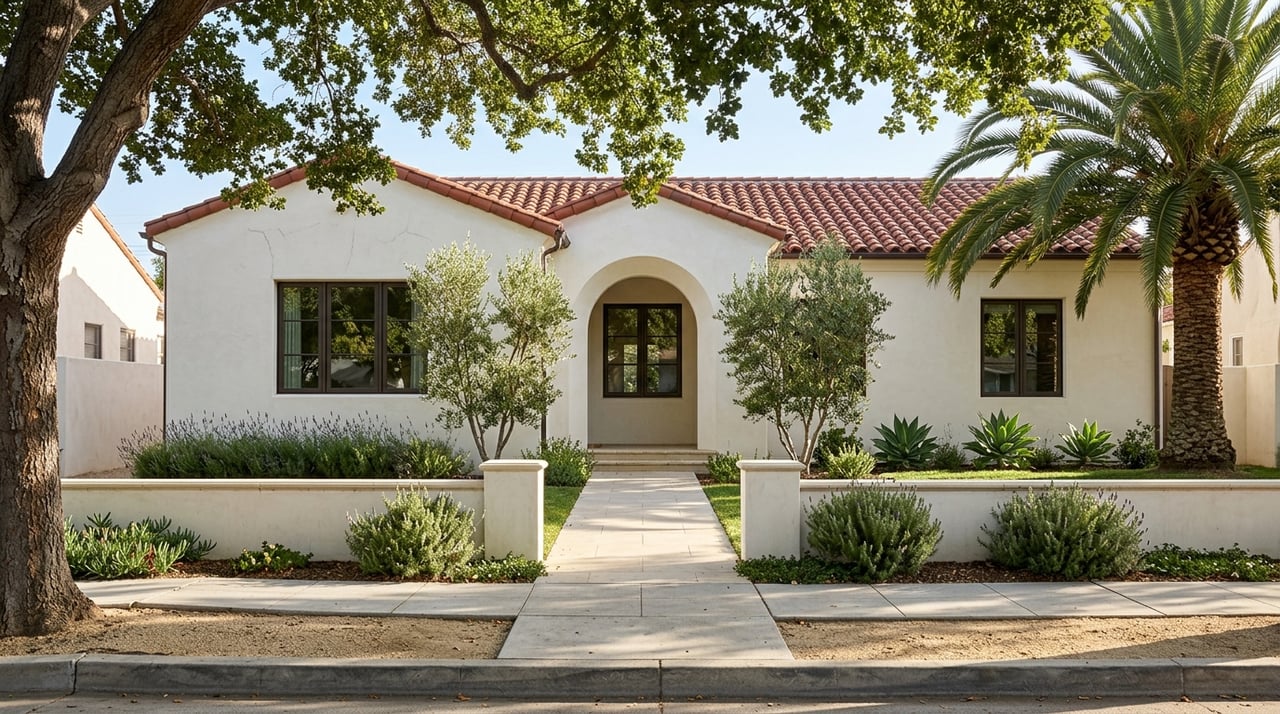
Trying to choose between the Sand Section and the Tree Section in Manhattan Beach? You are not alone. Many buyers love Manhattan Beach as a whole, but once you start looking closely, these two areas can feel very different in your day-to-day life. The good news is that the choice often becomes clearer when you focus on how you want to live, what kind of street feel you prefer, and how much space matters to you. Let’s dive in.
Sand Section vs Tree Section at a Glance
At the broadest level, the Sand Section is the beach-centered part of Manhattan Beach, while the Tree Section is the more inland single-family neighborhood area. City planning documents describe the Beach Area as having smaller lots, limited parking, and a village atmosphere. The Tree Section is described as a mostly single-family area with mature trees and a more rural-feeling streetscape.
In practical terms, this often comes down to a lifestyle tradeoff. The Sand Section tends to suit buyers who want beach access and walkability woven into daily life. The Tree Section often appeals to buyers who want more shade, more lot width, and a quieter residential setting while still staying close to everything Manhattan Beach offers.
Sand Section Lifestyle
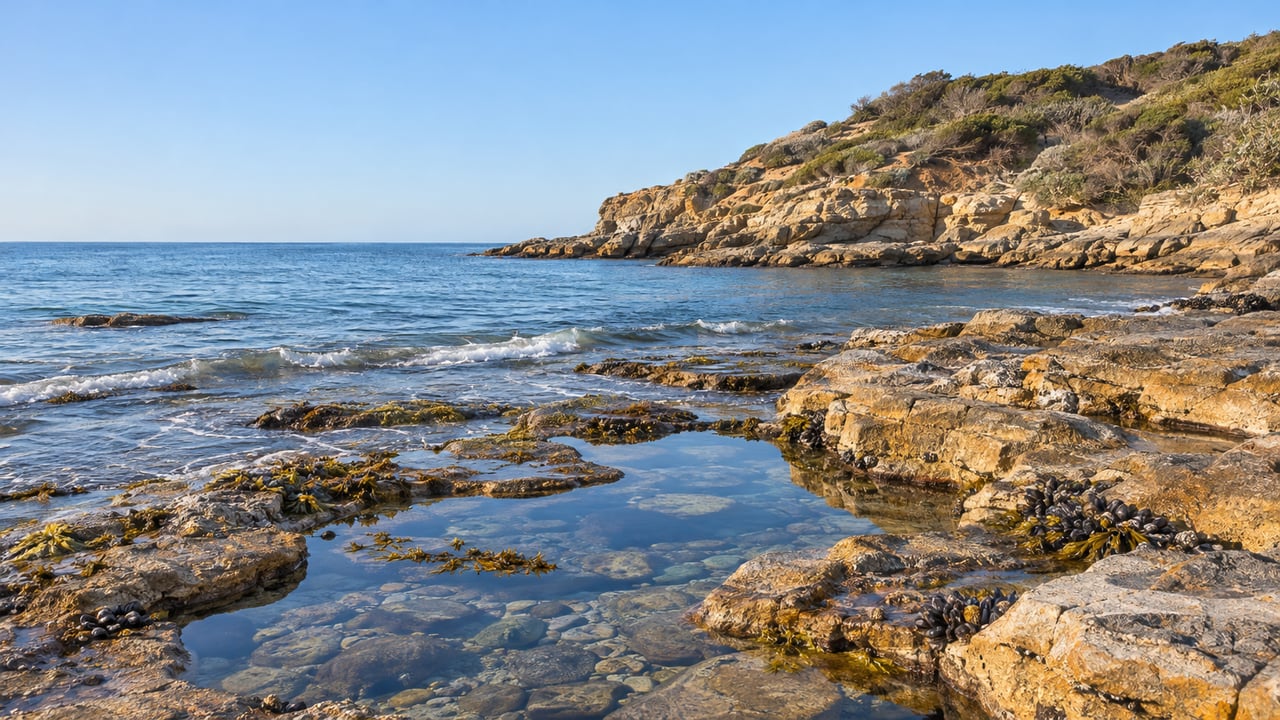
If you picture morning walks to the beach, easy access to the Strand, and a neighborhood shaped by ocean energy, the Sand Section may feel like the natural fit. This area sits in the same beach-centered orbit as downtown Manhattan Beach, the pier, and the city’s most iconic coastal amenities.
The city highlights several features that define this experience. The Strand provides about two miles of continuous beachfront pedestrian access. Downtown visitor information also points to the pier, the Roundhouse Aquarium, Metlox Plaza, beach volleyball, bike-path access, and oceanfront dining as part of the area’s appeal.
Walkstreets shape the experience
One of the Sand Section’s most distinctive features is its walkstreets. These are pedestrian-only streets that run perpendicular to the beach, with alleys used for car access. According to the city, they create safe, attractive paths to the beach and help preserve ocean-view corridors.
That setup gives parts of the Sand Section a very specific rhythm. You may find yourself walking more, seeing more foot traffic, and living in a setting where outdoor movement is part of the neighborhood design. For many buyers, that is exactly the point.
Compact lots and vertical living
The Sand Section’s housing pattern is shaped by smaller lots. City housing documents describe Beach Area lots as generally under 3,000 square feet, and city standards show a 2,700-square-foot minimum lot size, a 7,000-square-foot maximum, and a 30-foot minimum width.
That helps explain why many homes in the area feel more compact and vertical. You will see a mix of older beach-cottage and midcentury roots alongside newer rebuilds, especially around the walkstreets. If you value location over land, this can be a compelling trade.
Parking is part of the calculation
Parking is a real part of daily life in the Sand Section. The city’s overnight permit program separately manages upper-pier, 26th Street, and El Porto parking areas, which reflects how strongly the beach zone is influenced by coastal access and visitor demand.
For buyers, this does not mean the area is less desirable. It simply means parking convenience should be weighed alongside beach proximity. If you are considering a home here, your routine around guests, extra vehicles, and weekend activity matters.
Tree Section Lifestyle
The Tree Section offers a different version of Manhattan Beach living. While still close to the coast, it is more defined by residential streets, mature landscaping, and a calmer neighborhood pattern.
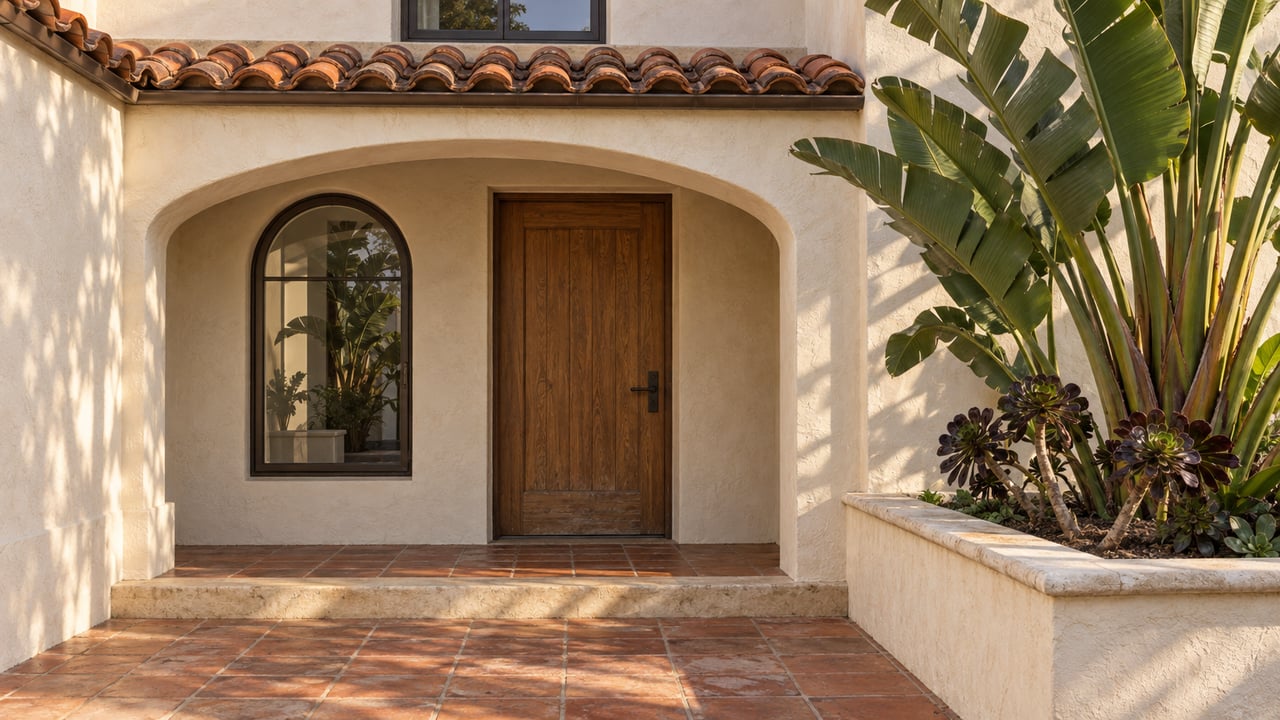
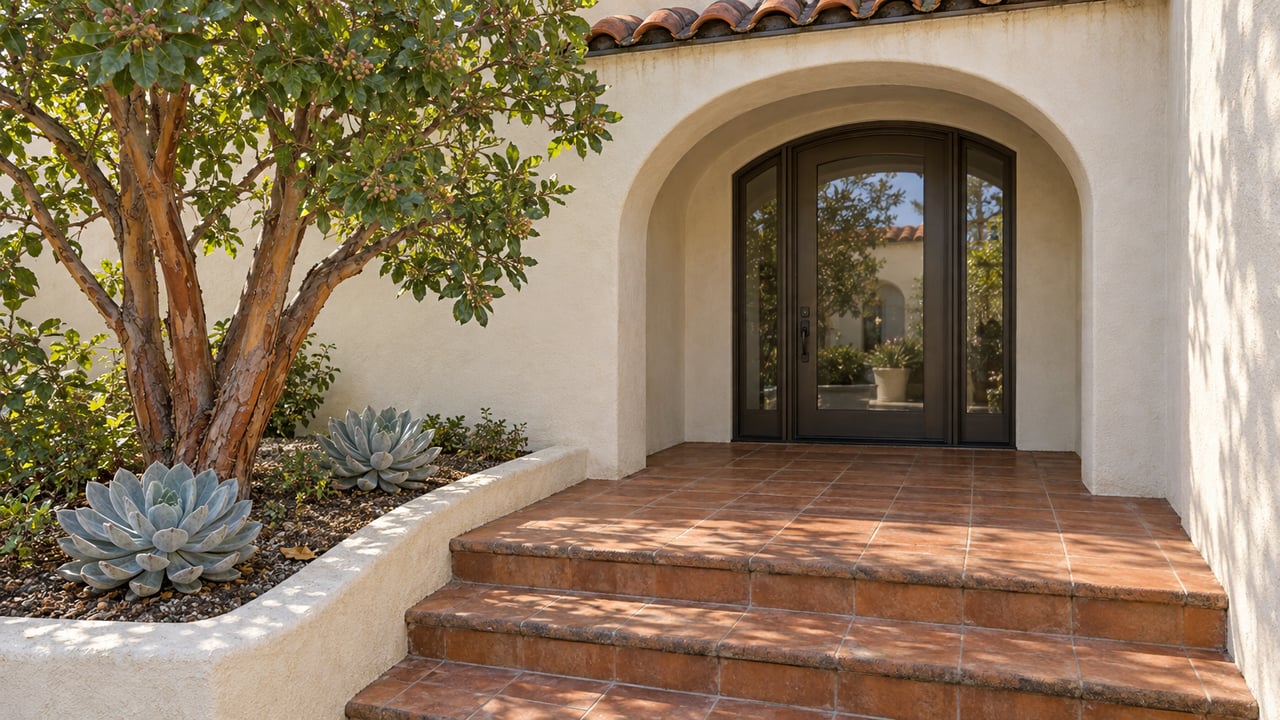
The city describes the Tree Section as a largely single-family area known for mature trees, tree-lined streets, and a distinct rural character. That feel is shaped in part by the absence of some standard public-improvement features within the right-of-way, which gives certain blocks a softer and more enclosed look.
A quieter neighborhood feel
If you want Manhattan Beach amenities without as much beach foot traffic near home, the Tree Section may feel more comfortable. Based on the city’s descriptions of tree canopy, parking controls, and street character, the area generally reads as more enclosed and more residential than the Sand Section.
The city also operates a Tree Section resident parking program to help reduce non-resident parking in residential blocks. That detail reinforces the area’s identity as a neighborhood where local day-to-day living is a priority.
Larger lots and wider frontages
For many buyers, the biggest practical difference is lot pattern. City housing standards show the Tree Section with a 4,600-square-foot minimum lot size, a 10,800-square-foot maximum, and a 40-foot minimum width.
Compared with the Sand Section, that points to wider lots and more breathing room between homes. If you are drawn to outdoor space, landscaping potential, or a more expansive single-family setting, this is one of the Tree Section’s clearest advantages.
Access to parks and daily errands
The Tree Section sits inland relative to the beach and closer to Sepulveda Boulevard and Manhattan Beach Boulevard. City planning documents also note that a small portion near Sepulveda is commercial, which can affect convenience for errands and daily routines.
The area is also close to Live Oak Park and the Joslyn Community Center on North Valley Drive. The city identifies this as a major recreation and community hub, with tennis courts, picnic areas, and meeting rooms.
Comparing Daily Life in Each Section
When you compare these neighborhoods, the better choice often depends on how you want your home to function every day. Both offer access to the Manhattan Beach lifestyle, but they deliver it in different ways.
Here is a simple side-by-side view:
| Feature | Sand Section | Tree Section |
|---|---|---|
| General setting | Beach-centered, village-like | Inland, single-family residential |
| Street feel | More pedestrian activity, walkstreets, beach access | Tree-lined streets, more enclosed residential feel |
| Lot pattern | Generally smaller and more compact | Generally wider lots with more spacing |
| Parking | More constrained and shaped by visitor demand | Resident-focused parking controls in residential blocks |
| Everyday rhythm | Walk to beach, pier, Strand, downtown | Quieter home base with beach access still nearby |
Which Buyers Often Prefer the Sand Section
The Sand Section is usually the stronger fit if you want the beach to be part of your normal routine. You may prefer this area if walking or biking to the Strand, the pier, and downtown sounds more valuable than having a larger lot.
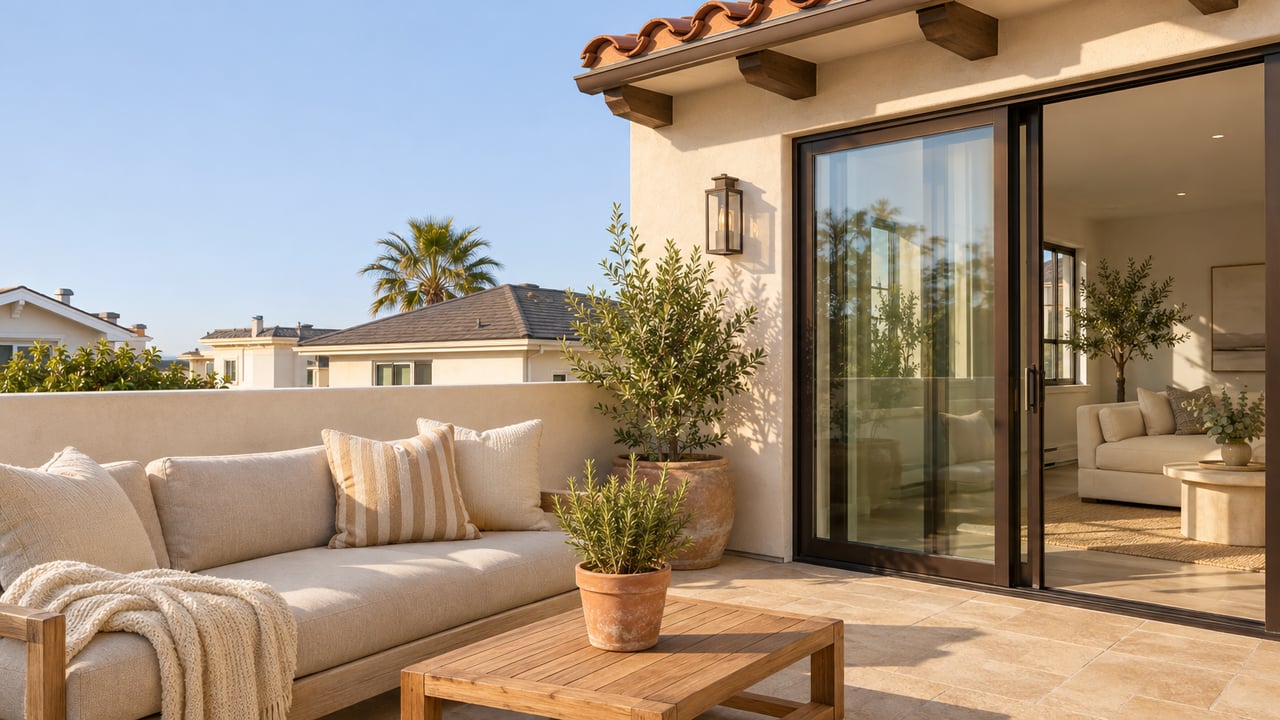
This area can also make sense if you enjoy a livelier pedestrian setting and appreciate homes with a compact coastal footprint. From a design perspective, buyers who like layered, vertical living and beach-close architecture often see real appeal here.
Which Buyers Often Prefer the Tree Section
The Tree Section is usually the better fit if you want more traditional single-family spacing and a quieter residential street pattern. You may be more comfortable here if shade, landscaping, and a little more separation between homes matter to you.
It can also be a smart choice if you want to stay in Manhattan Beach while prioritizing a calmer home setting over immediate beach adjacency. For buyers who think carefully about lot width, renovation potential, and long-term livability, the Tree Section often deserves a close look.
Design and Home Search Considerations
As you compare these two areas, it helps to look beyond square footage alone. The lot shape, street pattern, parking setup, and relationship to outdoor space can have a major impact on how a home lives.
In the Sand Section, the value may be tied closely to walkability, access, and how the home captures the energy of the beach environment. In the Tree Section, value may show up through width, privacy, landscape potential, and a more grounded residential feel.
That is why a neighborhood comparison should be more than a map search. It should also include how the site, street, and home design support the lifestyle you want.
How to Make the Right Choice
If you are torn between the two, start with one honest question: do you want the beach woven into your daily routine, or do you want a more residential atmosphere with the beach still close by? That simple question often brings the answer into focus quickly.
You should also think about how you use your home on weekdays, not just weekends. Your commute pattern, parking needs, entertaining style, and appetite for activity outside your front door can all matter just as much as the address itself.
In Manhattan Beach, both sections offer strong lifestyle appeal. The right fit depends on whether you are chasing beach immediacy or a little more residential breathing room.
If you want help comparing homes in the Sand Section and Tree Section through both a lifestyle and design lens, Justin Kuo can help you evaluate the details that matter most and guide you toward the right Manhattan Beach fit.
FAQs
What is the main difference between the Sand Section and Tree Section in Manhattan Beach?
- The Sand Section is the beach-centered area known for smaller lots, walkstreets, and stronger pedestrian activity, while the Tree Section is a more inland single-family area known for mature trees, wider lots, and a quieter residential feel.
Is the Sand Section in Manhattan Beach closer to the beach and downtown?
- Yes. The Sand Section is generally the area most connected to the beach, the Strand, the pier, and downtown Manhattan Beach amenities.
Are lots typically larger in the Tree Section of Manhattan Beach?
- Yes. City standards show larger minimum lot sizes and wider minimum lot widths in the Tree Section compared with the Beach Area.
Do Sand Section homes in Manhattan Beach usually have more parking challenges?
- In many cases, yes. City parking programs in beach-area zones reflect the added pressure created by visitor demand and shared coastal access.
Is the Tree Section in Manhattan Beach still convenient to local amenities?
- Yes. The Tree Section remains close to major Manhattan Beach corridors and is near Live Oak Park and the Joslyn Community Center, while beach access is still within reach.