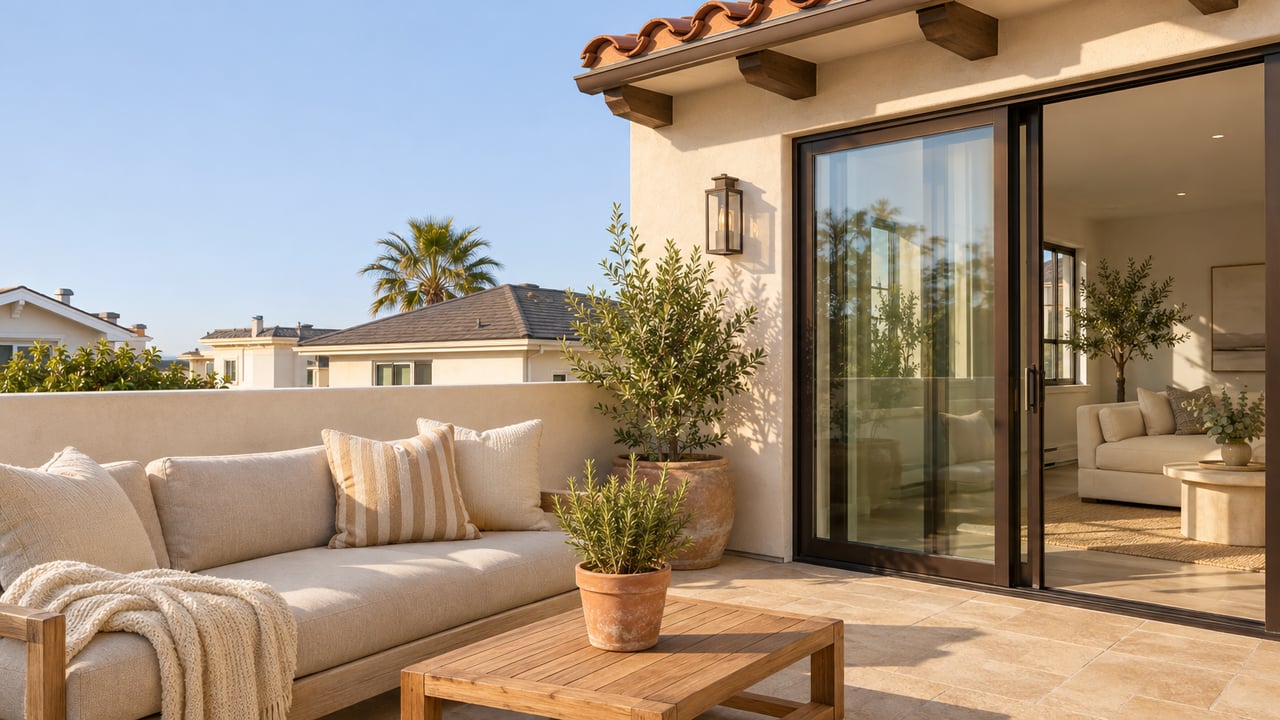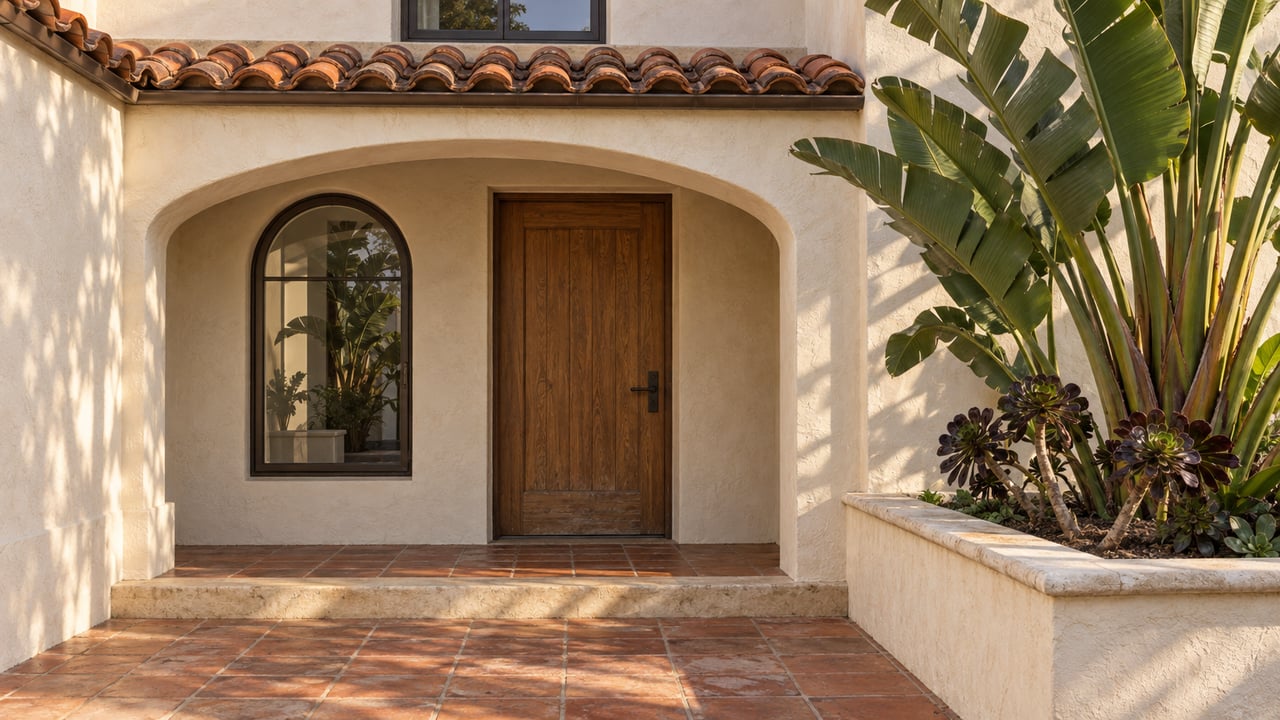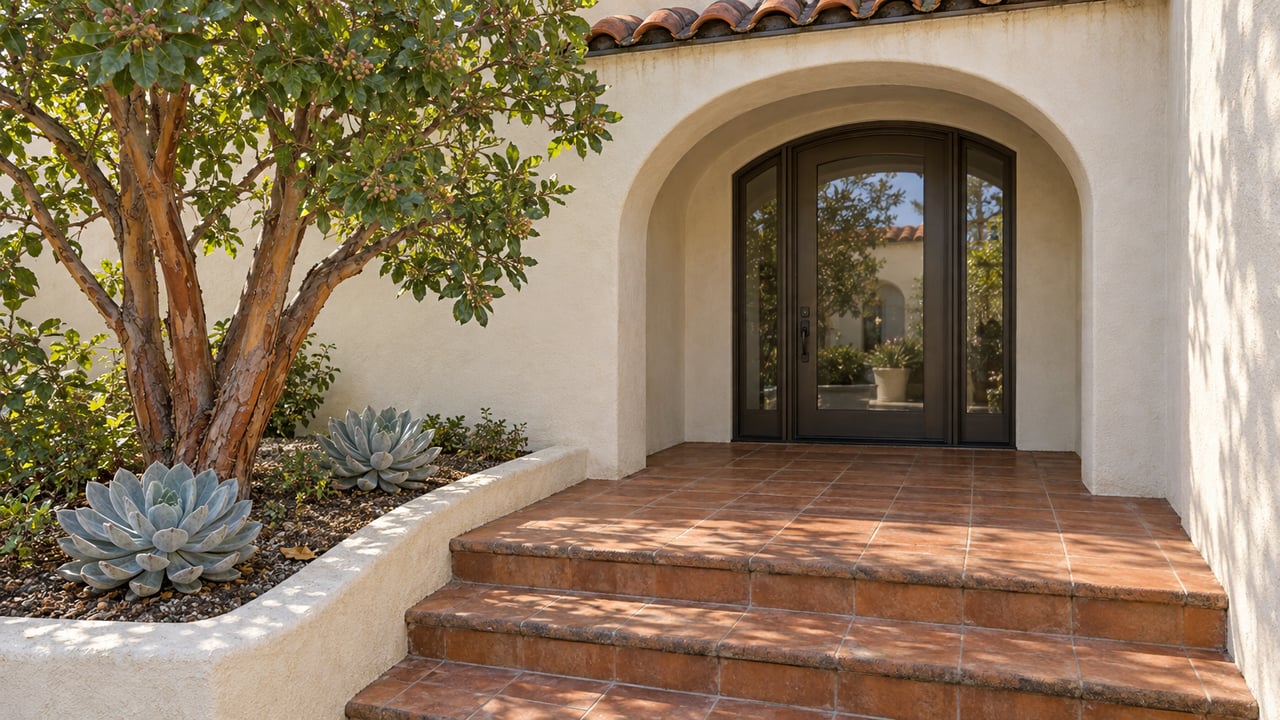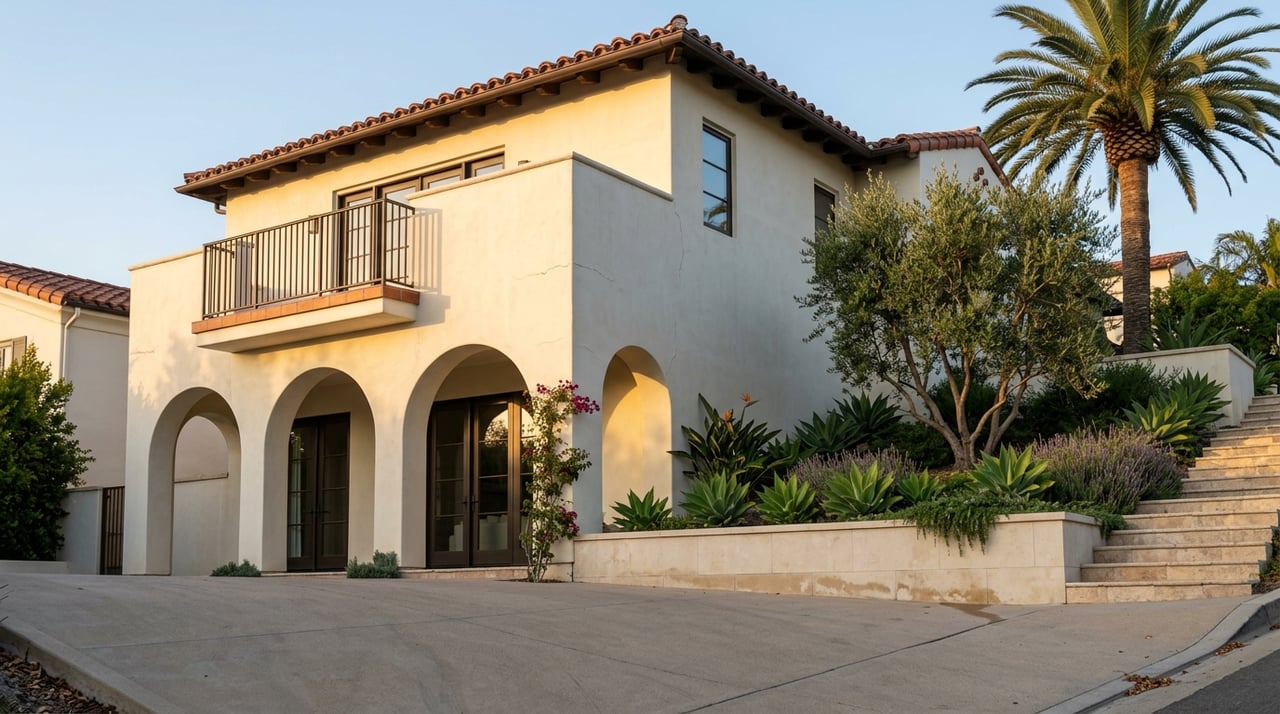
If you are deciding between a waterfront home and a hillside home in Newport Beach, you are really choosing between two very different ways to live. One puts you close to the harbor, beach paths, and shoreline activity, while the other can offer more elevation, privacy, and wide-open views. Understanding those differences early can help you focus your search, ask better questions, and make a more confident purchase. Let’s dive in.
Why Newport Beach Feels So Different
Newport Beach is not one uniform housing market. The city describes it as a collection of distinct geographic areas, including low-elevation coastal sections like West Newport, Balboa Peninsula, and Newport Bay, elevated marine terrace areas such as Newport Heights and Westcliff, and the higher-relief terrain of the San Joaquin Hills in the east.
For you as a buyer, that matters because a waterfront home and a hillside home do not just offer different views. They can come with different day-to-day routines, property conditions, and permit considerations. In Newport Beach, location affects how a home lives just as much as its square footage or finishes.
Waterfront Homes in Newport Beach
What waterfront living offers
Waterfront homes in Newport Beach are built around direct access to the harbor, bay, ocean, and beach lifestyle. Areas like the Balboa Peninsula, Balboa Island, Lido Isle, and parts of Corona del Mar are closely tied to the shoreline and to the social rhythm that comes with it.
If you want to walk to the water, enjoy boating, or entertain with the harbor nearby, waterfront living is usually the clearest fit. These homes often appeal to buyers who want an immersive coastal experience instead of a retreat set farther back from the activity.
How waterfront homes are often designed
In many waterfront settings, design is shaped by view orientation and indoor-outdoor use. Older coastal neighborhoods may include vintage beach-cottage character, while newer remodels often focus on decks, patios, and open sightlines toward the water.
That means you may find yourself comparing charm and location against lot size and layout efficiency. In some cases, the value is less about a larger parcel and more about how well the home captures its setting.
What to know about docks and moorings
One of the biggest waterfront buyer questions is whether water access rights transfer with the property. In Newport Harbor, docks, piers, and moorings require city permits and transfers, and the city applies Harbor Design Criteria and municipal code rules to this work.
In simple terms, a waterfront address does not automatically mean transferable dock or mooring rights. If that feature matters to you, it should be reviewed early, along with any pending approvals or permit history tied to the property.
Waterfront hazard and permit considerations
Waterfront ownership also comes with more visible coastal hazard exposure. Newport Beach identifies flood hazard areas as subject to periodic inundation, and the city’s coastal hazards analysis notes exposure to coastal flooding, beach and cliff erosion, and sea-level rise.
Areas identified in city materials include Newport Harbor, Newport Bay, Balboa Coves, Mariners’ Mile, parts of Balboa Peninsula, and parts of Corona del Mar Beach. For you, that can affect long-term planning, future remodeling, and the level of due diligence needed before closing.
Hillside Homes in Newport Beach
What hillside living offers
Hillside homes usually trade immediate water access for elevation, privacy, and broader views. Newport Coast is a strong example, with newer homes in a hillside setting, while elevated parts of Corona del Mar offer outlook points toward the ocean and harbor entrance.
For many buyers, the appeal is a quieter residential feel and more separation from the beach-level traffic that can come with summer weekends and holiday periods. If you want a home that feels more tucked away while still connected to coastal living, hillside options may be more appealing.
How hillside homes are often designed
Hillside properties often support multi-level floor plans, terraces, pools, and stronger view orientation. In Newport Coast, the housing stock is generally newer than many older waterfront neighborhoods, so buyers often compare a more turnkey hillside home against a waterfront property that may need updates or a more tailored renovation plan.
This is where design becomes especially important. A well-positioned hillside home can offer a strong balance of privacy, light, and architecture, even without direct shoreline frontage.
Hillside site conditions to review
Elevation can bring more site complexity. Newport Beach geology and soils analysis states that many central and eastern parts of the city are vulnerable to seismically induced slope failure due to steep terrain, and slope failures can occur along stream banks and coastal bluffs, including areas around Big Canyon, the San Joaquin Reservoir, Newport and Upper Newport Bays, and Corona del Mar.
That does not mean every hillside home carries the same level of risk. It does mean you should look closely at lot-specific conditions, past improvements, and any reports tied to geologic stability, erosion, or bluff-related concerns.
Wildfire mitigation matters in hillside areas
Wildfire is another important consideration for some hillside buyers. Newport Beach Fire Department states that wildfire is a year-round concern in the city’s urban-coastal environment, and its vegetation-mitigation program identifies hazard-reduction and fuel-modification zones in areas that include Buck Gully, Big Canyon, Morning Canyon, and Newport Coast.
The city also emphasizes home hardening and defensible space, including fire-resistant materials, ember-resistant vents, and vegetation management. If you are considering a hillside purchase, these details should be part of your review from the start.
Waterfront vs Hillside: Which Fits You Best?
The best choice often comes down to how you want to use the home every day. In Newport Beach, waterfront and hillside properties can both be exceptional, but they support different lifestyles and ownership priorities.
Here is a simple way to compare them:
| Feature | Waterfront Homes | Hillside Homes |
|---|---|---|
| Daily lifestyle | Close to harbor, bay, beach, and shoreline activity | More elevated, private, and removed from beach traffic |
| Typical appeal | Boating, walkability to water, social coastal setting | Views, privacy, newer housing stock in some areas |
| Design focus | Decks, patios, open sightlines, water orientation | Multi-level layouts, terraces, pools, broad outlooks |
| Key buyer question | Do dock, pier, or mooring rights transfer? | Are there slope, geology, or wildfire mitigation factors? |
| Long-term review | Flooding, erosion, sea-level rise, coastal permits | Slope stability, bluff conditions, fuel-modification rules |
Start With Daily Use, Not Just Price
Newport Beach sits in a multimillion-dollar luxury market, and waterfront homes generally command the top end because direct frontage, water orientation, and harbor access are scarce. Hillside homes cover a broader range depending on view quality, lot size, age, and whether the home is newer or renovated.
Still, price alone rarely tells the whole story. A better starting point is to ask yourself how you want the home to function on an average weekday, a summer weekend, and five years from now.
If you picture early walks along the harbor, easy beach access, and entertaining close to the shoreline, waterfront may be the right match. If you prefer a more private setting, broader views, and the possibility of newer construction, a hillside home may align better with your goals.
Buyer Questions to Ask Early
Before you move forward with either type of property, it helps to narrow your due diligence to the issues most likely to affect ownership and future plans.
Ask these questions early in the process:
- Is the property inside the coastal zone?
- Could future changes require a coastal development permit?
- If the home is waterfront, do dock, pier, or mooring rights transfer with the sale?
- Are any city approvals for waterfront improvements still pending?
- If the home is hillside, is it in a hazard-reduction or fuel-modification zone?
- What home-hardening or vegetation-management rules may apply?
- Does the property sit in a flood hazard area or bluff or erosion zone?
- Could any of these factors affect future remodeling or long-term planning?
Because Newport Beach issues most coastal development permits locally under its certified Local Coastal Program, these questions are not minor details. They can shape what you are able to improve, expand, or maintain after you buy.
Why Property-Specific Review Matters Most
In Newport Beach, neighborhood labels only tell part of the story. Two homes in the same general area can offer very different ownership experiences depending on lot orientation, elevation, permit history, water access rights, and site conditions.
That is why a design-led, property-specific approach matters in this market. When you look beyond the headline features and study how a home is positioned, how it was improved, and what the city may require in the future, you put yourself in a much stronger position to buy well.
Whether you are drawn to a harborfront address or a hillside retreat, the goal is the same: find the property that matches your lifestyle, your design priorities, and your comfort with long-term ownership factors. If you want a more curated view of Newport Beach homes and a thoughtful perspective on how design, location, and property constraints intersect, Justin Kuo can help you evaluate the options with clarity.
FAQs
What is the main difference between waterfront and hillside homes in Newport Beach?
- Waterfront homes are generally centered on direct access to the harbor, bay, ocean, and beach activity, while hillside homes tend to offer more elevation, privacy, and broader views.
Do Newport Beach waterfront homes automatically include dock rights?
- No. Newport Harbor docks, piers, and moorings require city permits and transfers, so a waterfront address does not automatically guarantee transferable dock or mooring rights.
Are Newport Beach hillside homes usually newer than waterfront homes?
- In some areas, yes. Newport Coast in particular has newer homes than many of Newport Beach’s older waterfront neighborhoods, which can make hillside options feel more turnkey.
Are coastal permits important for Newport Beach homebuyers?
- Yes. About 47% of Newport Beach is in the coastal zone, and future remodeling, additions, docks, or exterior work can trigger added review under the city’s Local Coastal Program.
What hazards should buyers review for Newport Beach waterfront homes?
- Buyers should review whether a property is in a flood hazard area and whether coastal flooding, erosion, or sea-level-rise exposure could affect long-term ownership or future improvements.
What hazards should buyers review for Newport Beach hillside homes?
- Buyers should review slope and geologic conditions, possible bluff or erosion concerns, and whether the property is in a hazard-reduction or fuel-modification zone tied to wildfire mitigation.
Which Newport Beach home type is better for privacy?
- Hillside homes are often the better fit for buyers who want more privacy and more separation from beach-level traffic and seasonal activity.
Which Newport Beach home type is better for a boating lifestyle?
- Waterfront homes are usually the better fit if your priority is boating, direct harbor access, and living close to the shoreline.