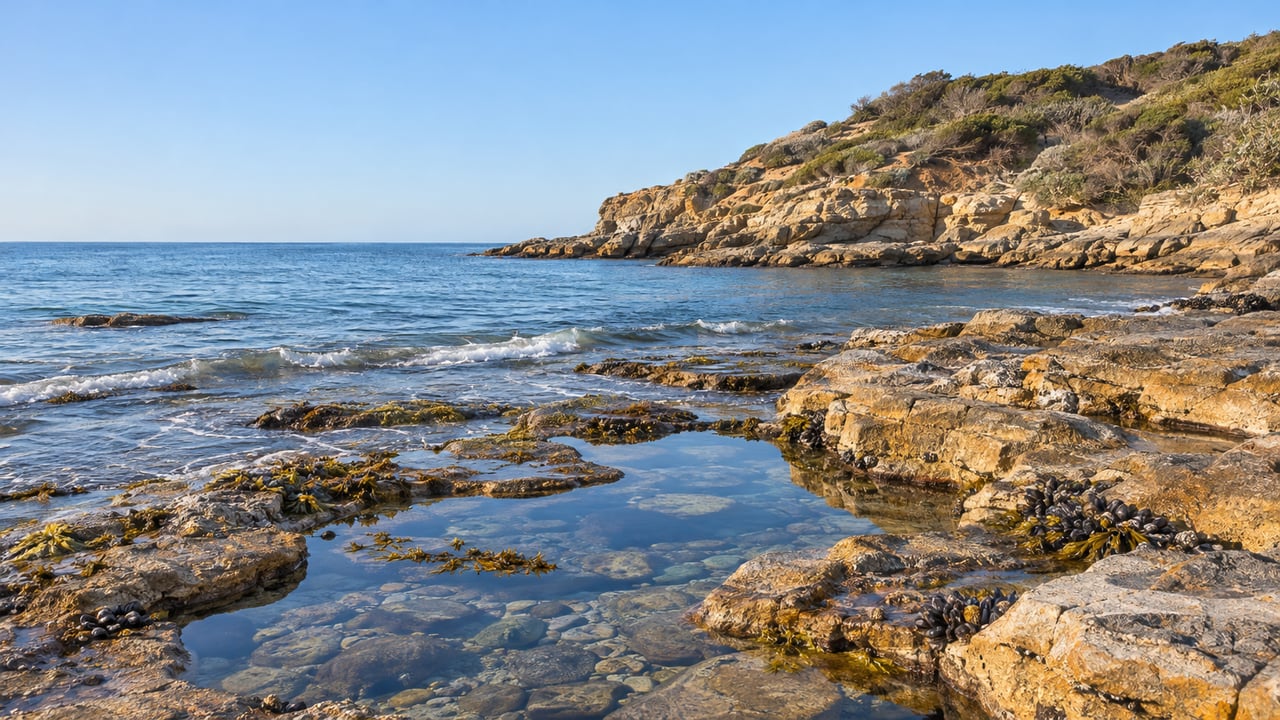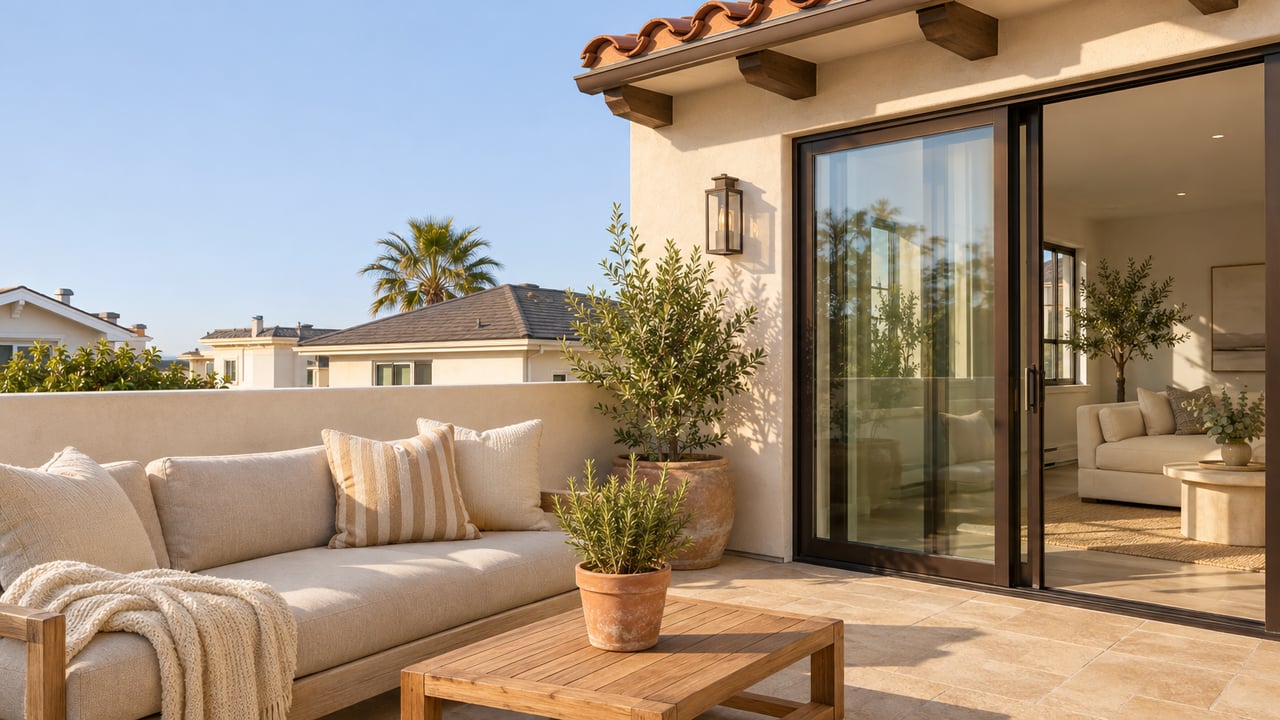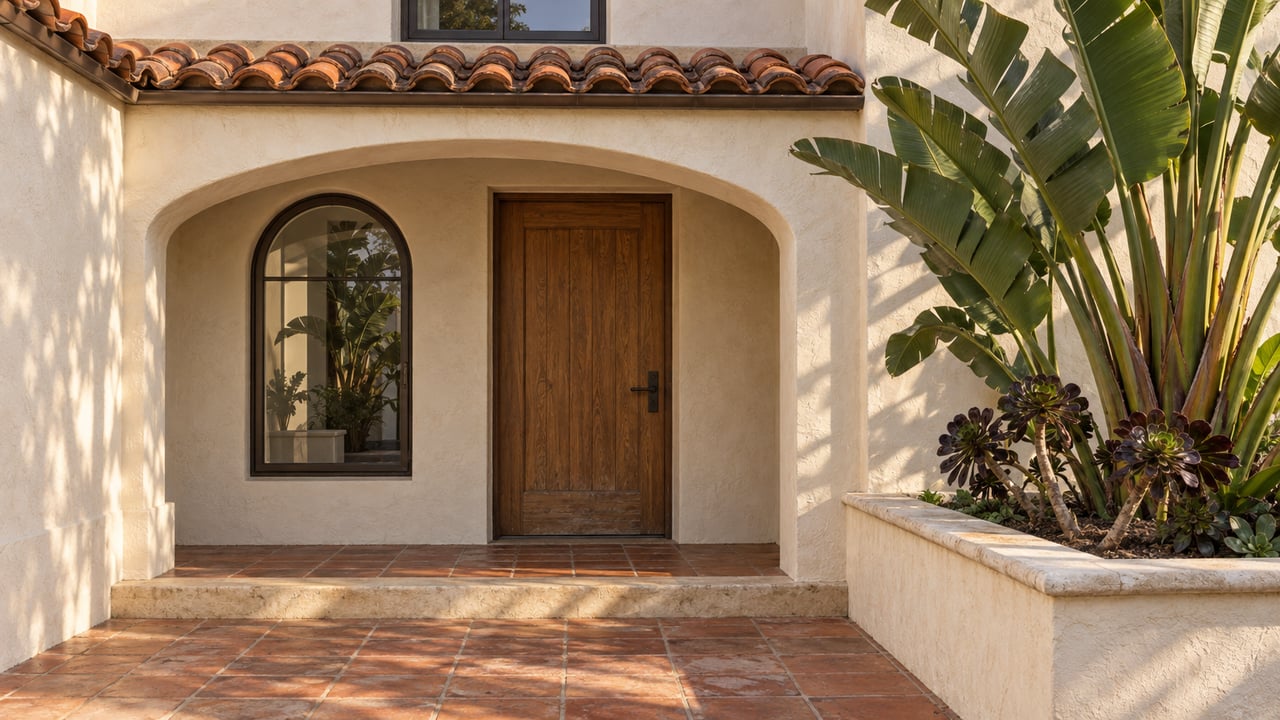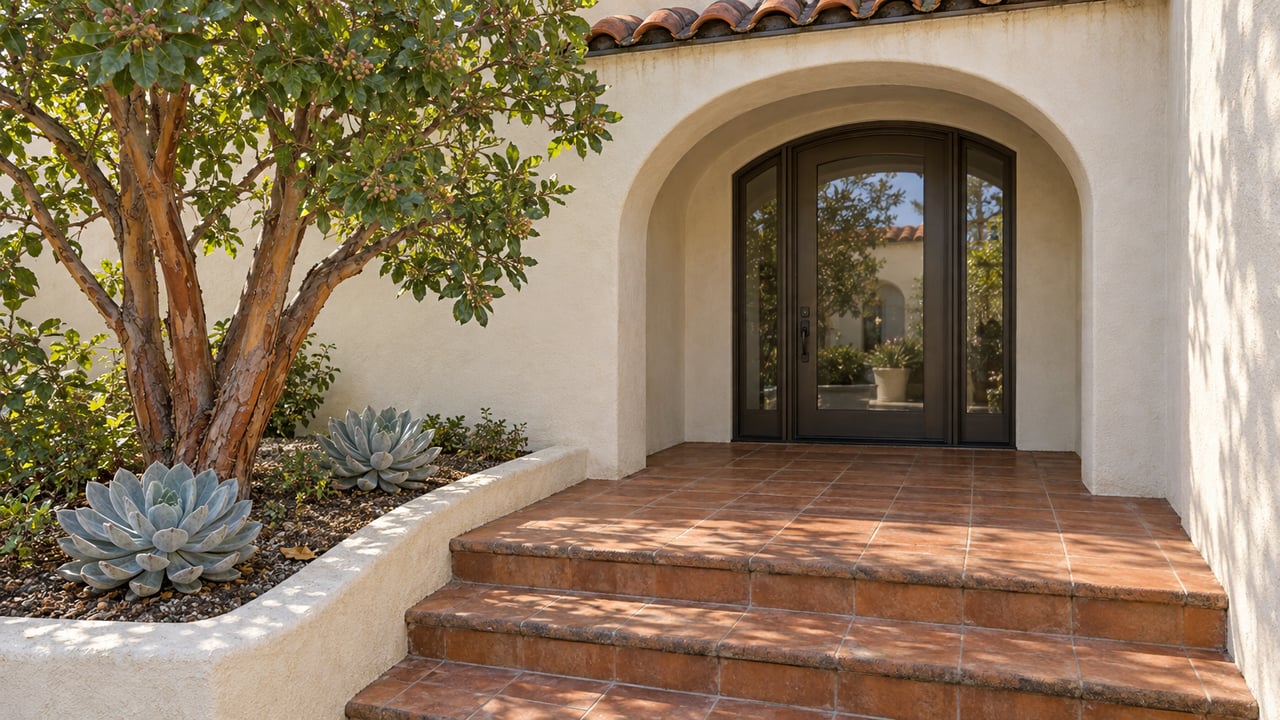
If you are drawn to Hermosa Beach, you are probably not just choosing a home. You are choosing a rhythm of life. In a city that covers just 1.4 square miles and has about two miles of shoreline, where you live can shape how each day feels, from quiet mornings near the Greenbelt to evenings around Pier Plaza. This guide will help you understand the different lifestyle pockets of Hermosa Beach so you can focus your search with more clarity. Let’s dive in.
Hermosa Beach at a Glance
Hermosa Beach is a compact coastal city of roughly 20,000 residents, and its small footprint is part of what makes it feel connected and easy to navigate. According to the city, Downtown and Pier Avenue form the main commercial spine, with restaurants, local retailers, and a range of housing types from bungalows to ocean-view homes on and near The Strand.
That compact layout also means each area feels distinct. The central beach district tends to be the most active, especially because the beach can attract more than 100,000 people on an average summer weekend, according to the City of Hermosa Beach community overview. A few blocks inland, the pace often shifts to a more residential feel.
Walkstreets: Close to the Sand
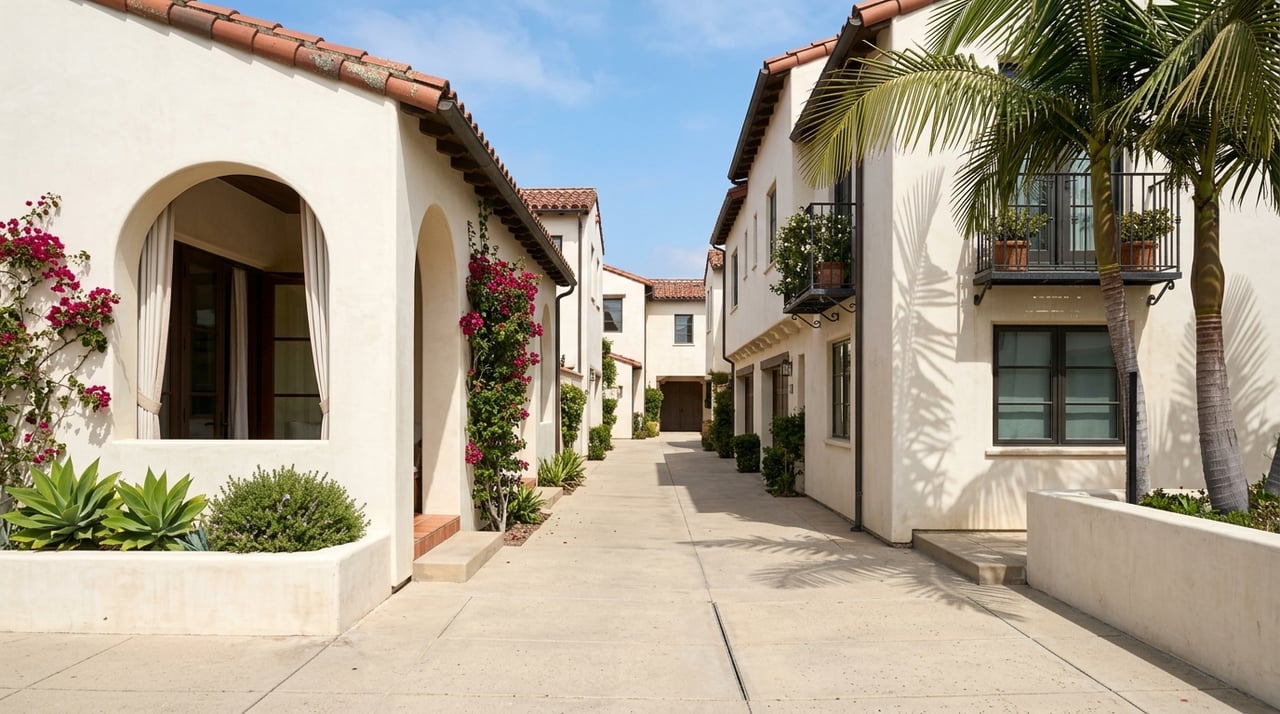
For many buyers, the walkstreets are what make Hermosa Beach instantly recognizable. The city describes the Walk Street Neighborhood as a beachside residential area with a linear street network, direct beach access from Hermosa Avenue to The Strand, and a mix of residential densities with some small neighborhood commercial pockets.
What makes this area stand out is how it is designed around outdoor living and pedestrian access. City planning materials note that homes often orient to porches, patios, decks, and tuck-under garages accessed from alleyways, creating a layout that feels closely tied to the coastline and the public realm.
What walkstreet living feels like
The walkstreets offer some of the closest residential access to the beach in Hermosa. The city says there are 22 walk streets that connect to Hermosa Avenue, with access points roughly every 200 to 500 feet in the sand-adjacent area.
That setup supports a lifestyle centered on walking, biking, and getting to the beach without much friction. It is also why this part of town can feel especially appealing if you want your daily routine to include ocean air, quick access to The Strand, and an architecture-led connection between indoor and outdoor spaces.
Design and layout details
If you appreciate how a home sits on its site, this area has a lot to notice. The city’s planning documents describe a neighborhood where buildings are often oriented around outdoor living, and properties with Strand frontage can have sweeping ocean views.
For design-conscious buyers, that matters. In Hermosa Beach, layout is not just a technical detail. It often shapes privacy, light, access, and how a home engages with the surrounding coastal setting.
Tradeoffs to keep in mind
The same features that make the walkstreets attractive can also come with practical considerations. Parking can be a real part of the conversation in the beach core, and the city notes that while residential permits are available, permits do not guarantee parking.
If you are considering a walkstreet or sand-adjacent property, it helps to think beyond square footage. Access patterns, alley entry, outdoor space, and everyday parking convenience can all shape whether a home feels effortless for the way you want to live.
Pier Plaza: The Social Core
At the west end of Pier Avenue, just west of Hermosa Avenue, Pier Plaza anchors the city’s most concentrated hub of activity. The city describes it as a pedestrian-friendly area with shops and restaurants, and Downtown Hermosa extends along Hermosa Avenue and Pier Avenue toward the plaza and the beach.
If the walkstreets are about sand-close living, Pier Plaza is about energy. This is the part of Hermosa Beach where dining, people-watching, events, and beach access all converge in one highly walkable setting.
Why Pier Plaza feels lively
Pier Plaza is not just a commercial strip. It is also used for community events and outdoor dining, which adds to its role as a true gathering place. The city’s Pier Plaza facility information also highlights pedestrian-focused rules in the area, including speed limits for wheeled devices on the Strand walkway and a flashing-light walk zone nearby.
That kind of infrastructure reinforces the area’s public, pedestrian-first feel. If you like being able to step out for coffee, dinner, or an event without getting in the car, this part of Hermosa Beach offers the easiest access to that lifestyle.
Dining, events, and outdoor life
The plaza’s role as a social hub is also reflected in the city’s support for expanded outdoor dining in the public right-of-way, including on Pier Plaza. That adds another layer to the atmosphere, especially on weekends and during warmer months.
The surrounding downtown area also hosts some of Hermosa Beach’s best-known events. The city’s calendar highlights Fiesta Hermosa, annual concert programming, the Surfers Walk of Fame, and beach volleyball events near the pier, all of which contribute to a highly active central district.
Who this area may suit best
If you want immediate access to restaurants, cafes, community events, and the beach, Pier Plaza and downtown Hermosa can be a strong fit. The tradeoff is that this is also where visitor activity is most concentrated, particularly during peak beach seasons.
For some buyers, that buzz is exactly the point. For others, it may feel better as a place to enjoy regularly while living a little farther from the center.
Inland Hermosa: A Quieter Residential Feel
A few blocks inland, Hermosa Beach often takes on a different character. City planning materials refer to the Eastside Neighborhood as a quieter part of town where street activity is low, homes are mostly single-family, and buildings are predominantly one- or two-story structures.
That shift matters if you want a more residential setting while still staying connected to the coast. The city also notes that many properties in this area have views toward the Pacific Ocean or the Los Angeles Basin, which adds another dimension to inland living.
Housing mix beyond the beach core
Hermosa Beach is not one-note when it comes to housing. The city’s housing documents describe a mix that includes low-density single-family homes, medium-density duplexes, triplexes, and condominiums, along with higher-density multifamily housing in selected locations.
That variety can be helpful if you are comparing lifestyle priorities, budget, or design preferences. Depending on the block and property type, inland areas may offer a different balance of privacy, access, and overall livability than the beach-adjacent core.
The Greenbelt as a daily amenity
One of the defining features of inland Hermosa is the Greenbelt along Valley Drive. The city lists the Greenbelt as a park and trail corridor with exercise equipment, and city materials describe it as a 1.7-mile connector.
For many residents, that provides a daily lifestyle anchor beyond the sand. Whether you enjoy walking, jogging, or simply having a green corridor nearby, the Greenbelt helps inland Hermosa feel connected and active in a different, quieter way.
Beyond Location: How Hermosa Lives Day to Day
Hermosa Beach lifestyle is shaped by more than just where your home sits on the map. The city highlights surfing, beach volleyball, biking, skateboarding, and walking or jogging on the Pier, Greenbelt, and The Strand as core parts of daily life.
The Strand itself is especially important because it functions as both a local amenity and a regional connection. The city notes that it runs the length of Hermosa Beach, links north to Manhattan Beach and south to Redondo Beach, and also forms part of the 22-mile Marvin Braude Bike Trail.
Three micro-lifestyles in one city
Taken together, Hermosa Beach can be understood as three connected micro-lifestyles. There is the walkstreet area for the closest beach access, the Pier Plaza and downtown core for the most social energy, and the inland Eastside and Greenbelt areas for a more residential pace.
That does not mean one is better than another. It means the right fit depends on how you want your mornings, weekends, and everyday routines to feel.
How to Choose the Right Hermosa Beach Area
If you are narrowing your options in Hermosa Beach, it helps to compare each area through a practical lens. A beautiful home is important, but so is how the surrounding setting supports your daily life.
Here are a few questions to ask yourself:
- Do you want to walk to the beach in minutes, or are you comfortable being a bit farther inland?
- Would you enjoy the activity around Pier Plaza, or do you prefer a quieter residential street?
- How important are parking convenience and access patterns?
- Do you want a home that emphasizes outdoor living, ocean proximity, or design potential?
- Would being near the Greenbelt, parks, and civic amenities better suit your routine?
For luxury and design-minded buyers, these details often matter as much as the address itself. In a market like Hermosa Beach, architecture, orientation, and micro-location can have a major impact on how a property feels and functions over time.
Whether you are looking for a walkstreet retreat, a home near the energy of Pier Plaza, or a quieter inland residence with a strong neighborhood feel, a thoughtful local strategy can make your search more efficient. If you want a design-led, concierge approach to finding the right fit in Hermosa Beach, connect with Justin Kuo for tailored guidance grounded in lifestyle, location, and long-term value.
FAQs
What is the Walk Street Neighborhood in Hermosa Beach?
- The city describes it as a beachside residential area with a linear street network, direct access from Hermosa Avenue to The Strand, and homes often oriented around porches, patios, decks, and alley-access garages.
What is Pier Plaza in Hermosa Beach known for?
- Pier Plaza is the pedestrian-friendly area at the west end of Pier Avenue, known for shops, restaurants, outdoor dining, community events, and easy access to the beach and downtown core.
What is the Eastside Neighborhood in Hermosa Beach like?
- City planning materials describe the Eastside as a quieter, more residential area with generally low street activity, mostly single-family homes, and a setting that differs from the busier beach core.
What is The Strand in Hermosa Beach?
- The Strand is a multi-use path that runs the length of Hermosa Beach, connects to Manhattan Beach and Redondo Beach, and forms part of the larger Marvin Braude Bike Trail.
Is parking important to consider in central Hermosa Beach?
- Yes. The city provides public parking options and residential permits, but it also states that residential permits do not guarantee parking, which is especially relevant near Pier Plaza and beach-adjacent areas.